

- Browse Categories
- FRP Product
- Plastic Product
- ABS Sheet
- HIPS Sheet
- PP Sheet
- HDPE Sheet
- Hydroponic Tray
- Vacuum Forming Processing
- Subscribe
-
Get email updates on new products
- Contact Us
-
Telephone: +86-0755-28329102
Mobile Phone: +86-15814411453
Fax: +86-755-28998345
Address:Room 02, 32 Floor, 6 block, Phase 3, Xieli Garden, Longcheng Street, Longgang District, Shenzhen
Zip:518172
Country/Region:China (Mainland)
Province/State:Guangdong
City:Shenzhen Contact Now
- FRP Product

- News
-
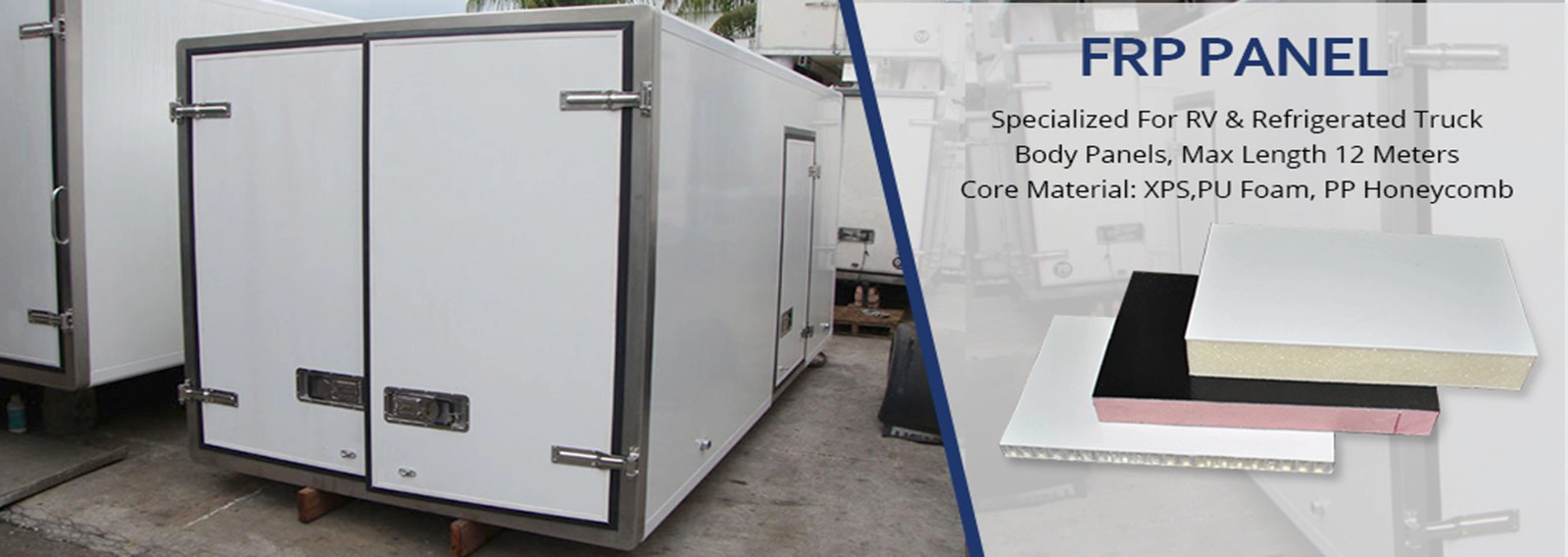
How to Choose Refrigerated Truck Body Panels
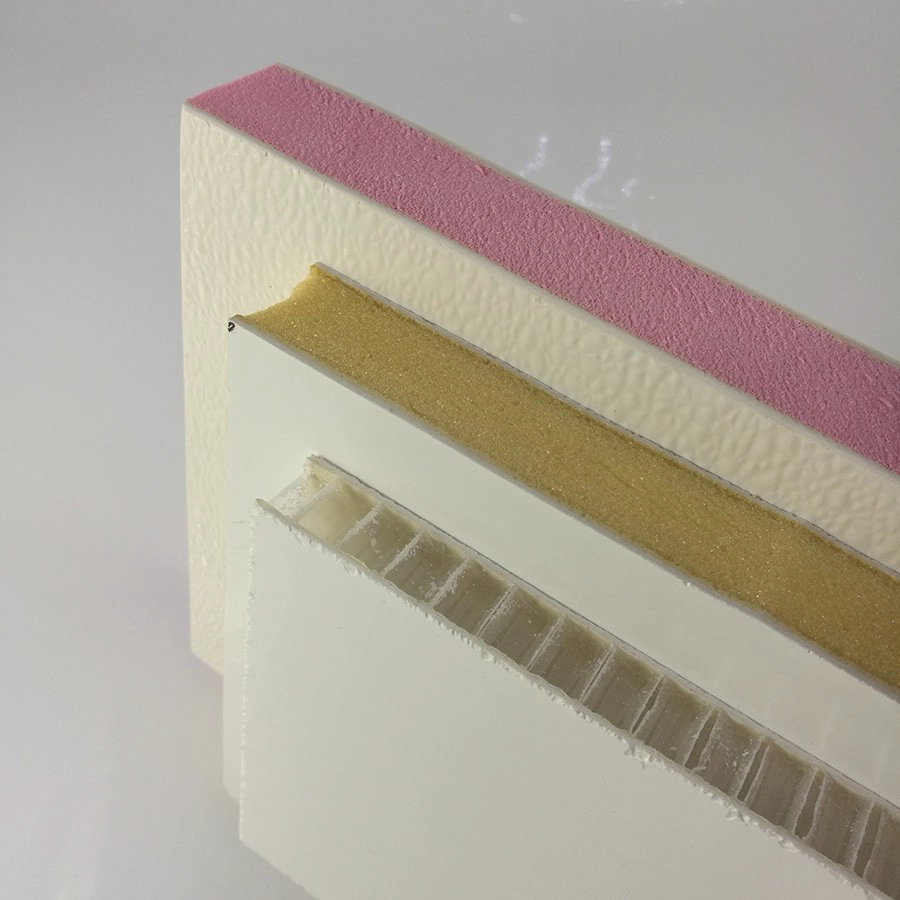
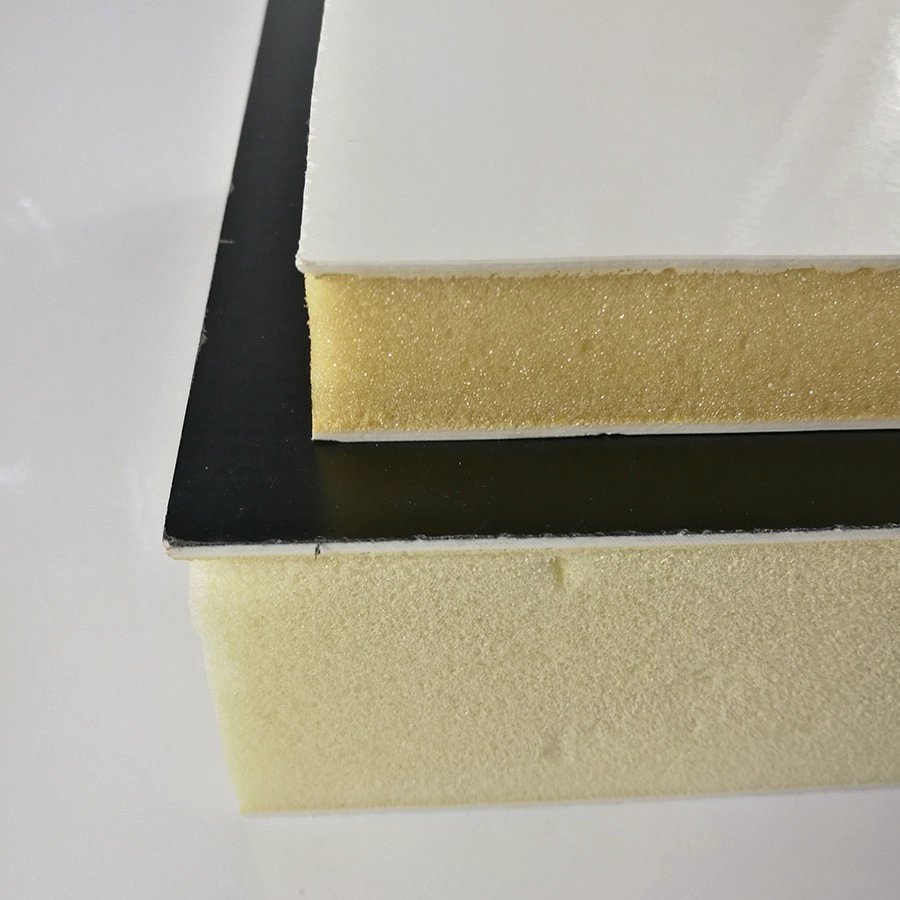
Due to cost, installation and construction, the refrigerated truck van panels were gradually made of FRP composite panels. FRP composite panels are made of FRP flats and used as two layers of the bottom and the top, in addition to the role of controlling the weight, and also have good impact resistance. The middle layer uses different kinds of core materials, such as PP honeycomb core material, XPS core material, PU core material, etc.,The differences between FRP mechanism sheet and Hand Lay-up sheets
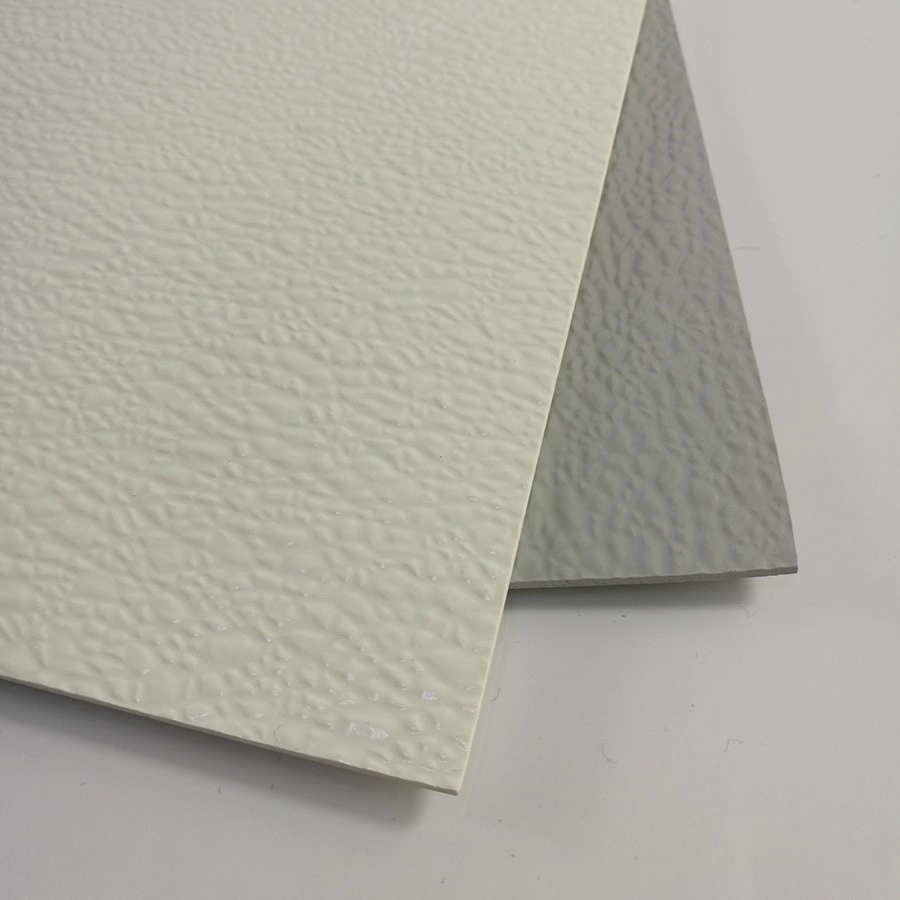
At the beginning of the industry, manpower was usually used to make FRP, but most manufacturers use production line to produce FRP sheet now. FRP mechanism sheet gradually replaced hand lay-up sheet. The FRP mechanism sheet has many advantages over the hand lay-up. The FRP mechanism plate has stable quality and uniform thickness. Cost-effective, neat and shiny surface.Hydroponics Overview Technique and Advantages
1) Hydroponic OverviewHydroponics is a new type of plant soilless culture method, also known as nutrient solution culture. Its core is to directly inf...ABS Sheet Performance and Applications
ABS sheet is an emerging material in the plastic sheet industry. The full name is Acrylonitrile butdiene styrene. It is a polymer with a relatively la...Can Flame-retardant Fiberglass Lighting Roofing Panels Be Still Used After Yellowing?
A, Fire-retardant FRP lighting roofing panels are mainly used in steel mills and blast furnaces with high temperatures, fire point splashes or some sp...RV Traveling Are Getting More and More Popular
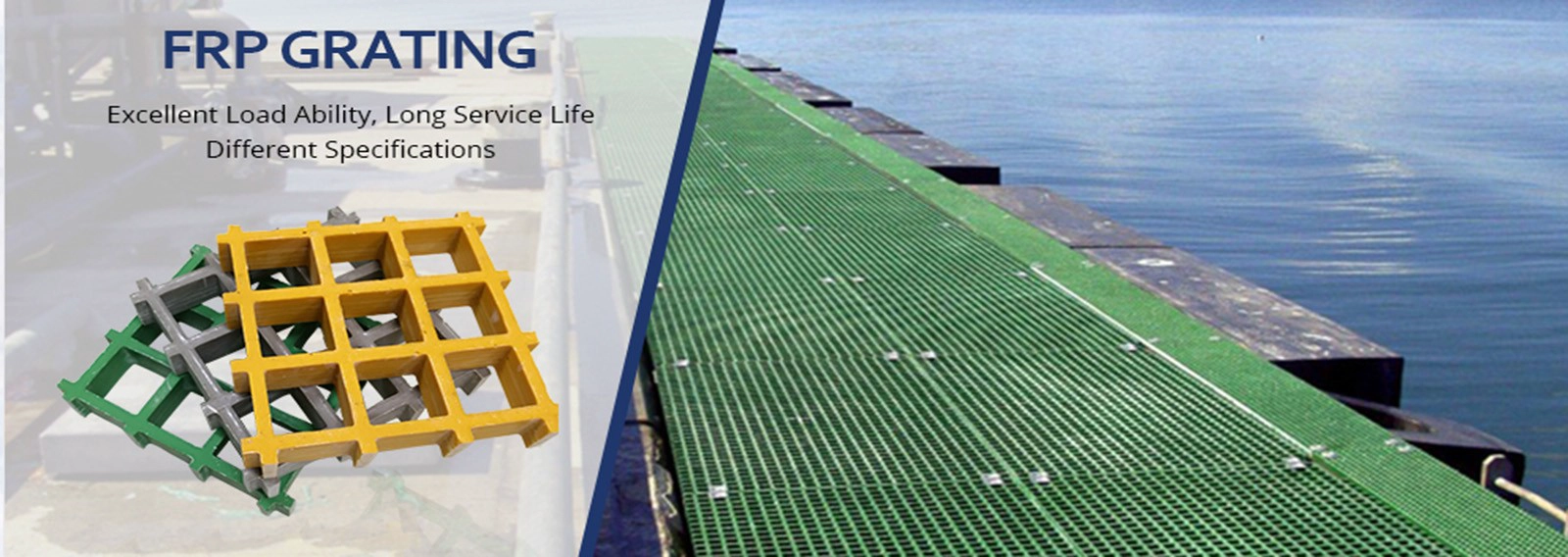
Do you know what a RV is? The concept of the beginning of RV is “movable house”. The RV has all the necessary items for life, including bedr...Fibre Reinforced Plastic (FRP) Grating Description
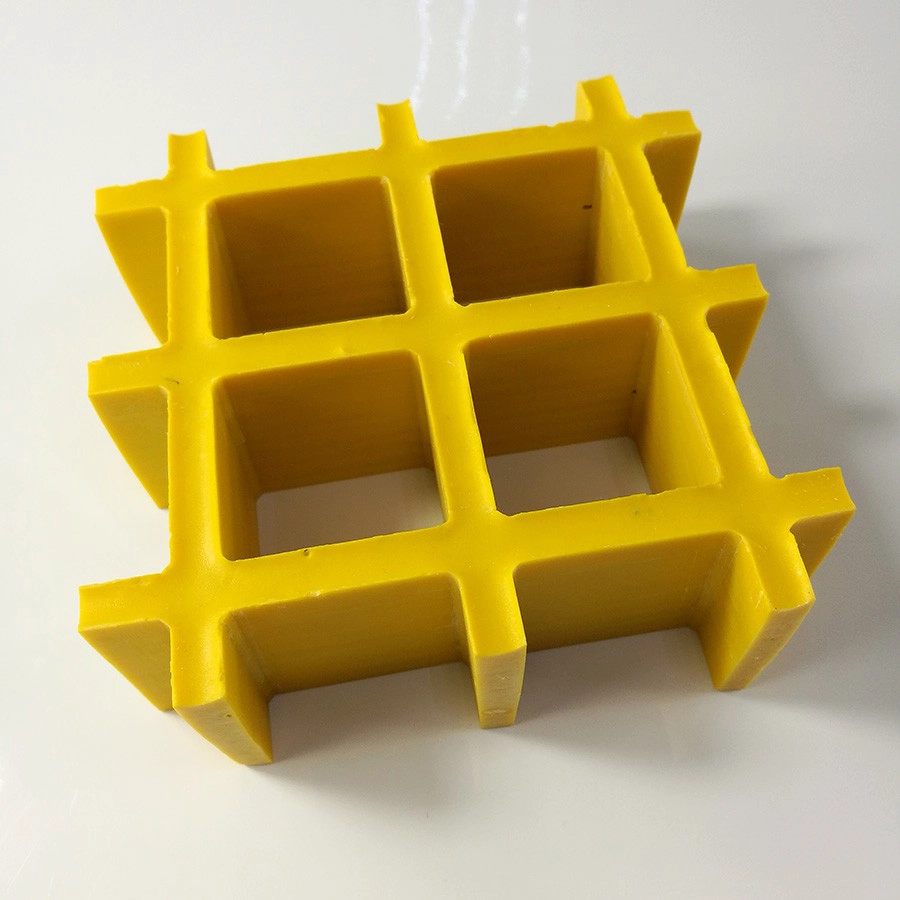
The Fibre Reinforced Plastic (FRP) grating is a moulded, one-piece fibreglass reinforced plastic grating, available in standard panels or fabricated i...FRP Sheet & Panel Project
FRP Gratings Applications
Thanks of the excellent properties of FRP gratings, they are replacing carbon steel, stainless steel, wood and non-ferrous metals. The fiberglass gra...FORE PP Sheet for Tanks
FORE PP Sheet for Tanks Foreth PP Sheet has good acid and alkali resistance properties,excellent welding processability and non-toxic environmental ...
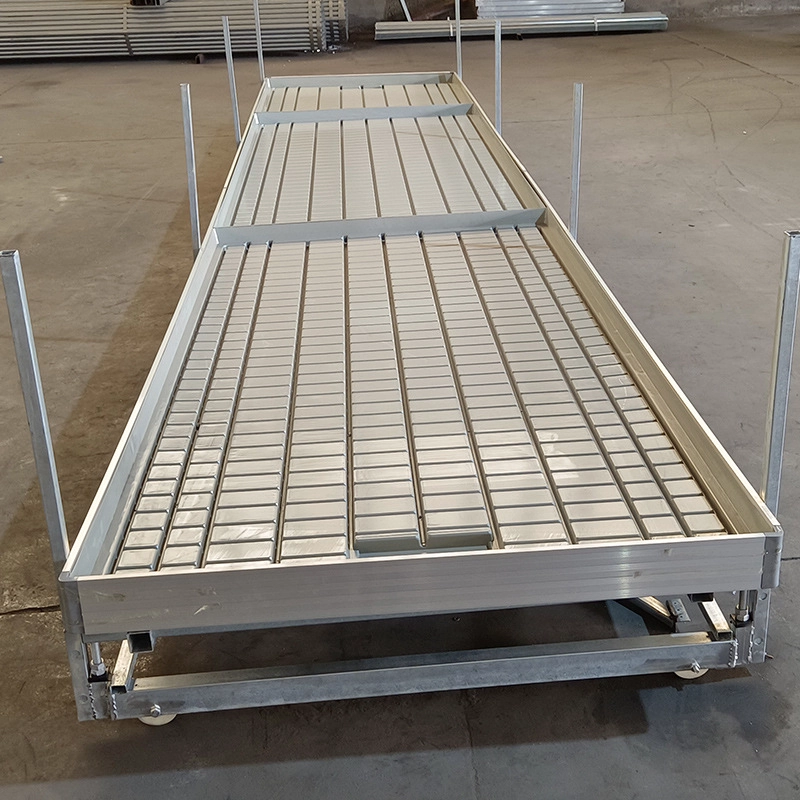
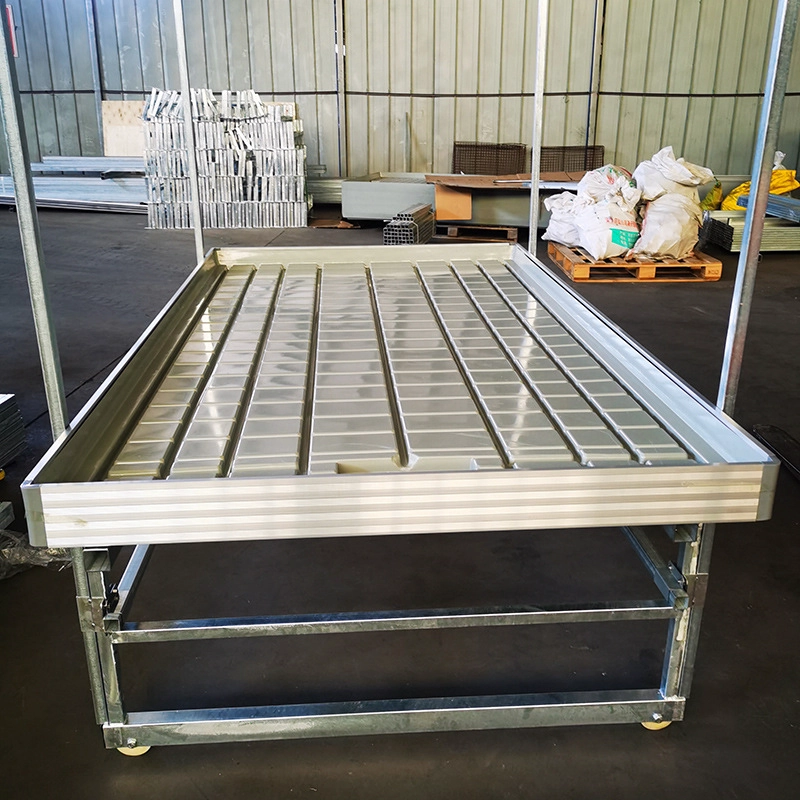
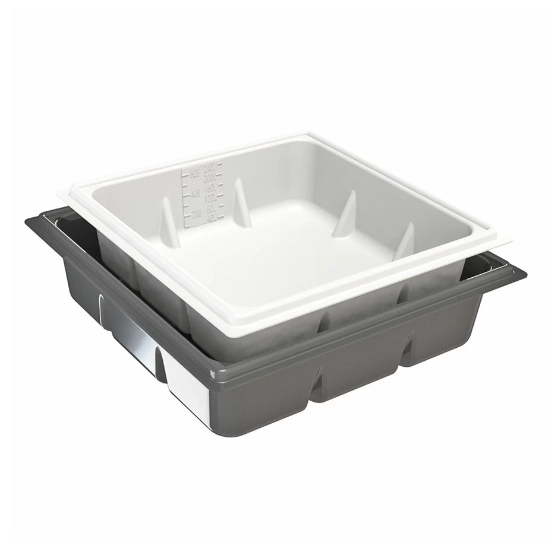
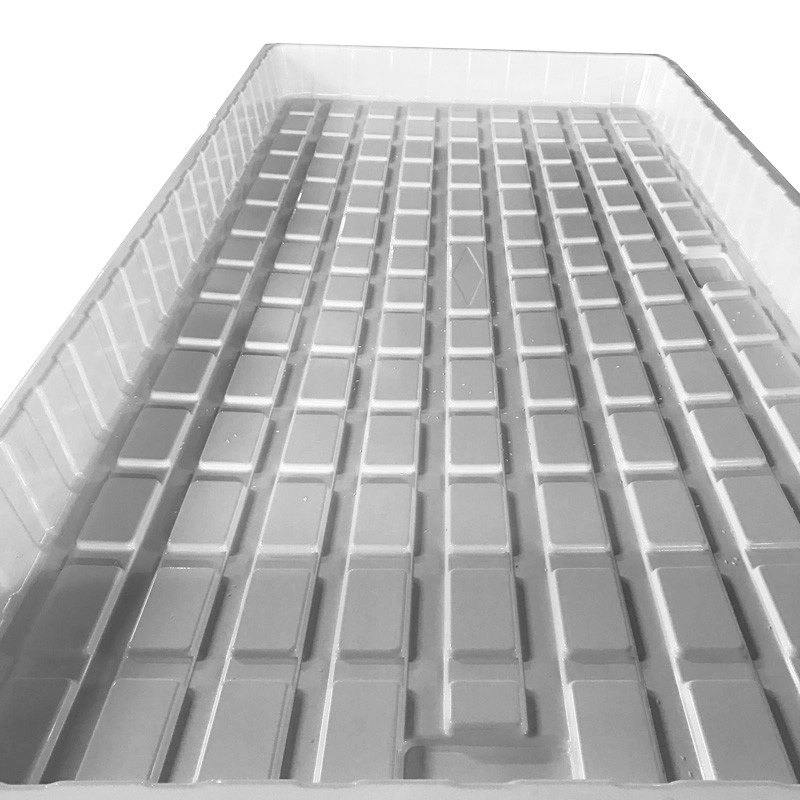
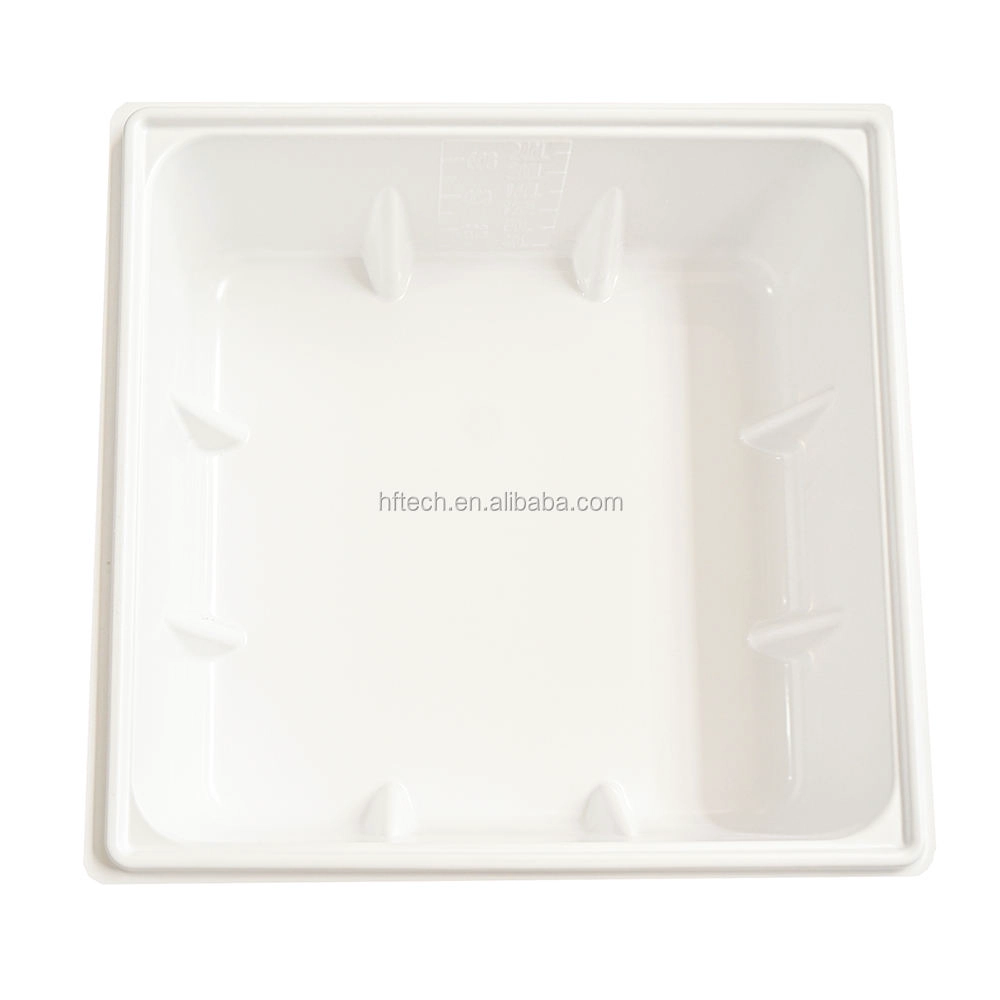
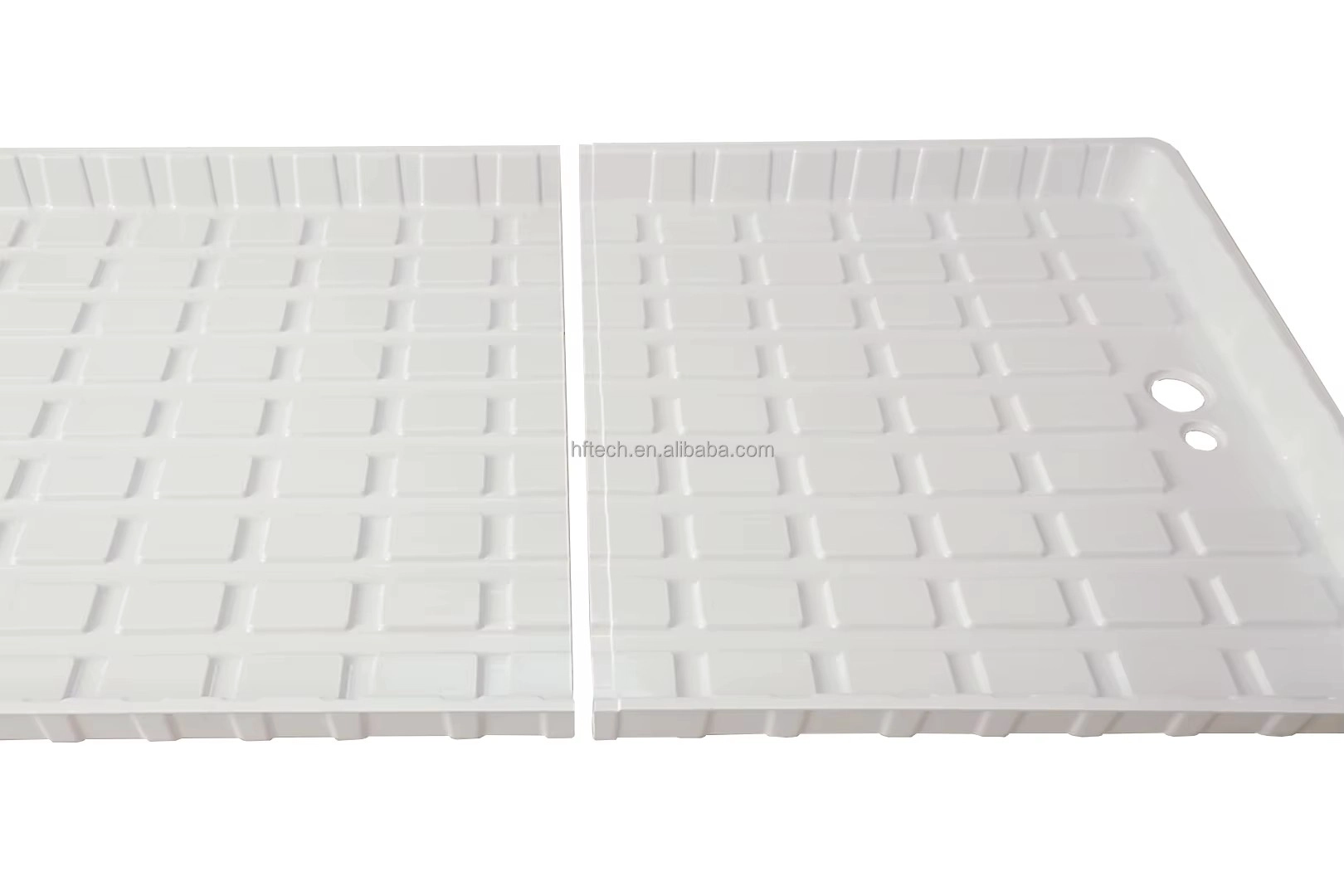
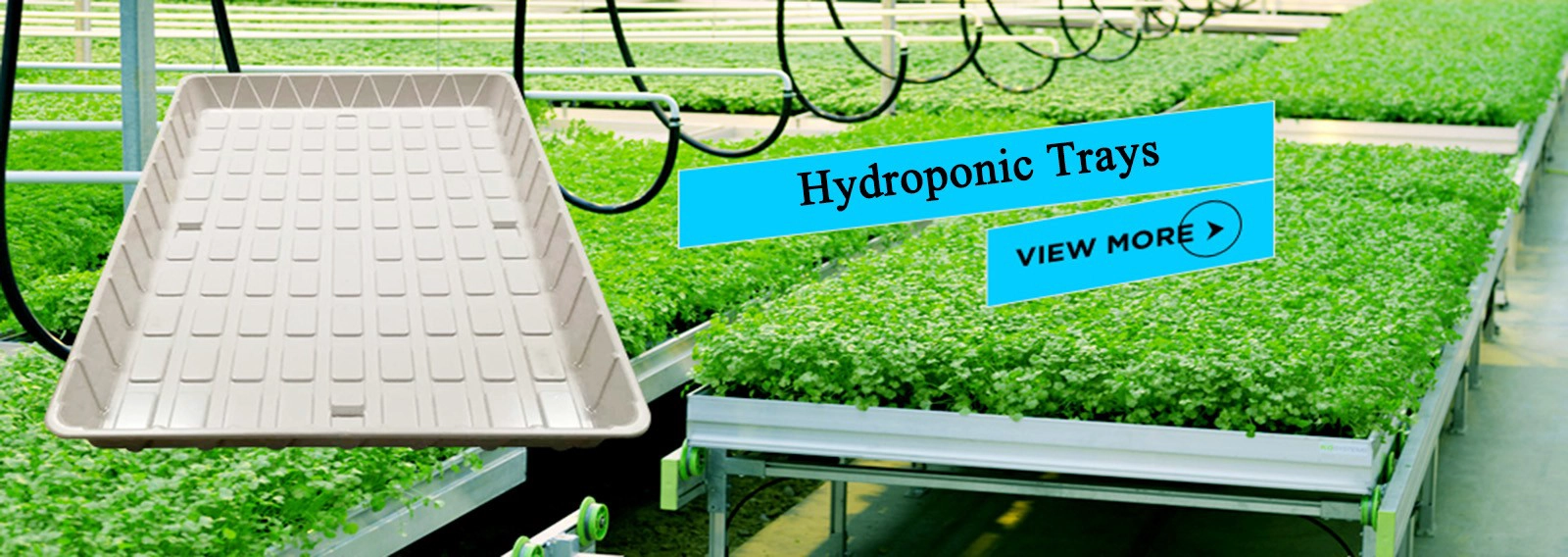
Ebb & Flow Irrigation Nursery Bench
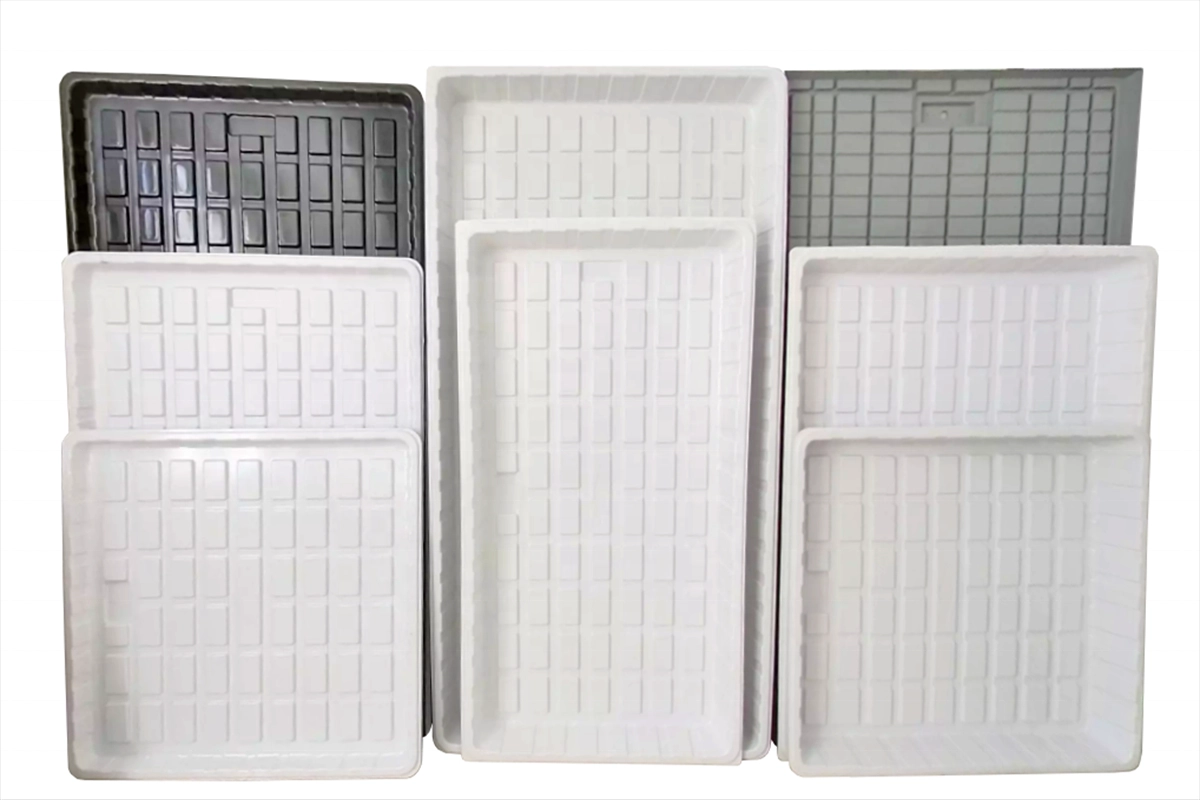
- Product name:Modular Grow Trays
- Material:ABS Plastic, HIPS Plastic
- Color:White, Black, customized
- Width:620, 914, 1200, 1530, 1780 or customized
- Hieght:80mm or customized
- Thickness:3-8mm, customized
- Process:Vacuum Forming
- Usage:For Rolling Bench & Racks Hydroponics
- Service:OEM or ODM
- Package:Carton/Plywood pallet
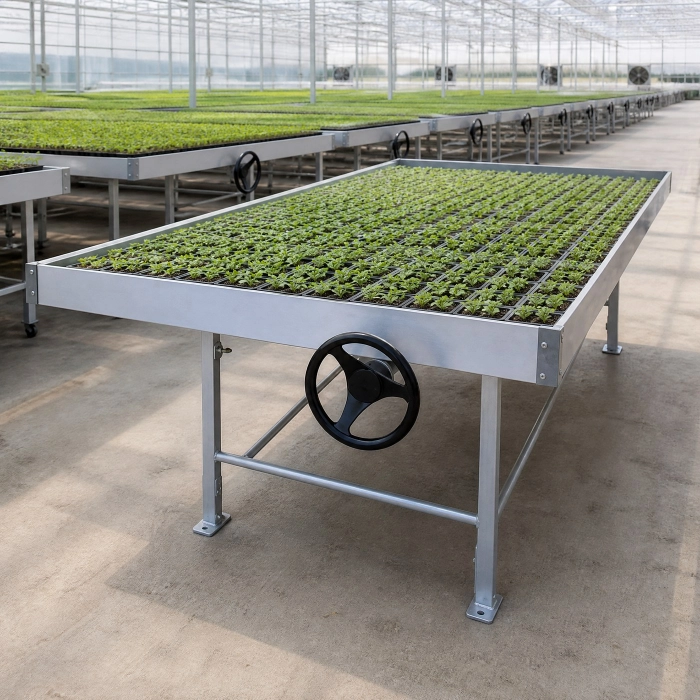
1. Product Overview
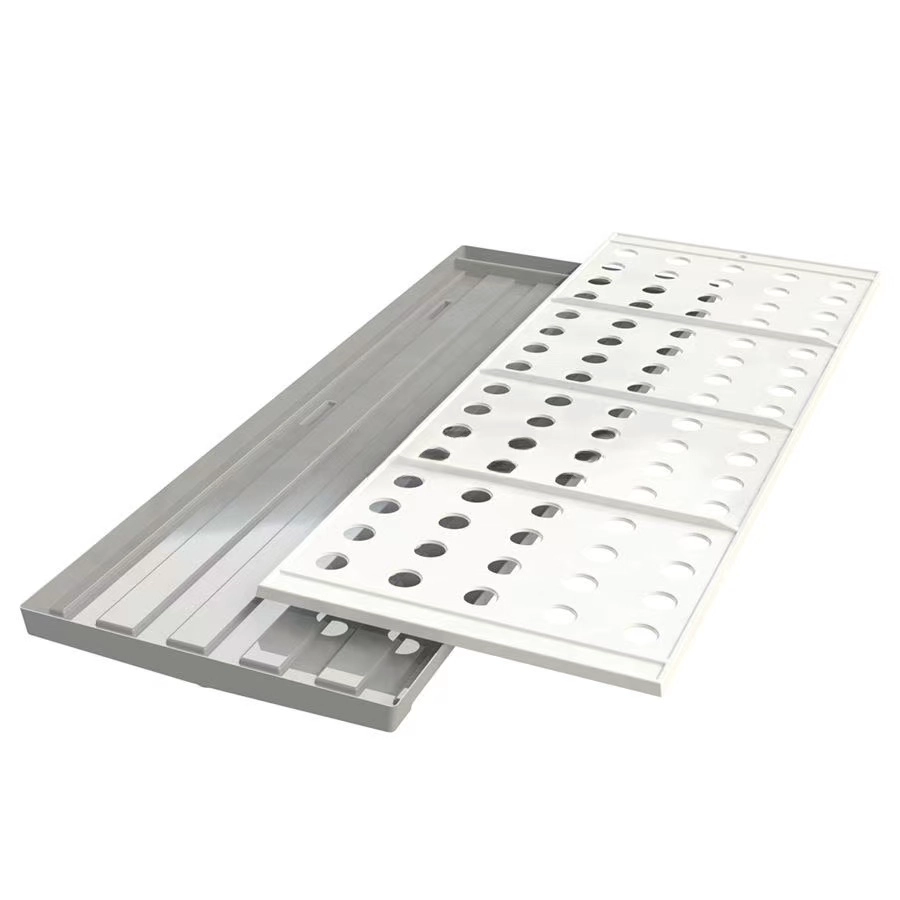
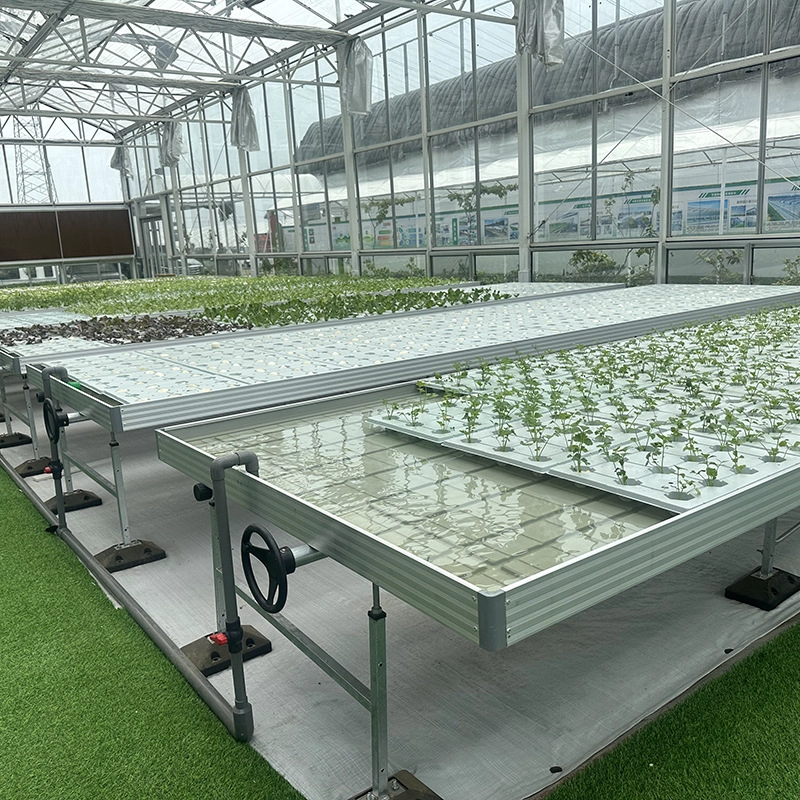
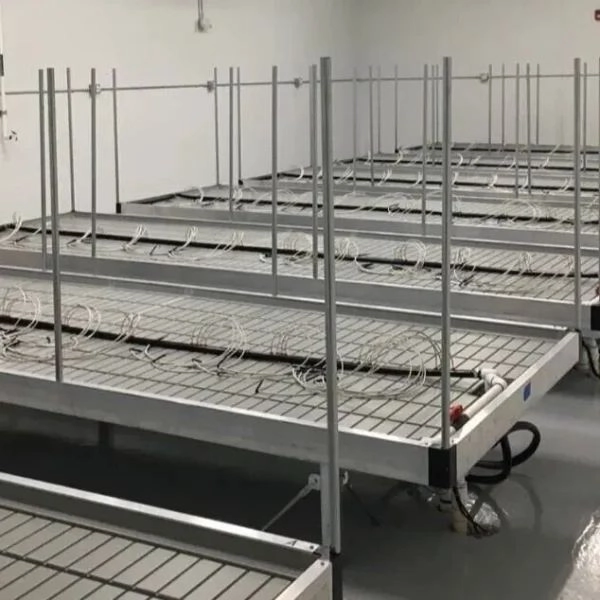
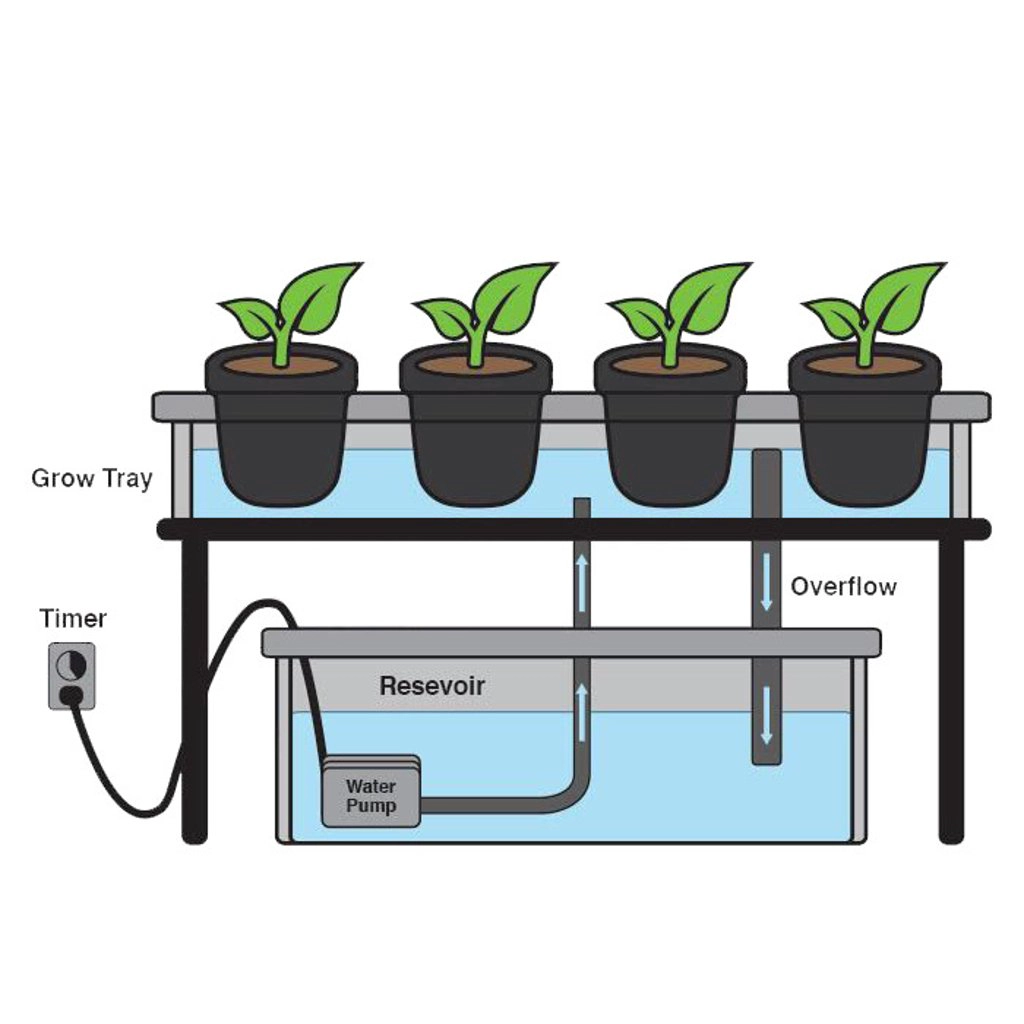
The ebb & flow irrigation nursery bench is a complete flood-and-drain propagation platform, not a tray on a table. A watertight, one-piece molded tray sits in a galvanized rolling frame; a pump lifts nutrient solution from a reservoir, floods the tray to a shallow and level depth, then lets it drain back. Seedlings take water and nutrients from below by capillary action, and air returns to the root zone every time the tray empties.
Because the bench is built as one system, the tray, the frame, the drain position and the irrigation cycle are matched to each other before shipment. The grower connects a reservoir, sets the timer, and the bench runs the same cycle every day without a watering crew.
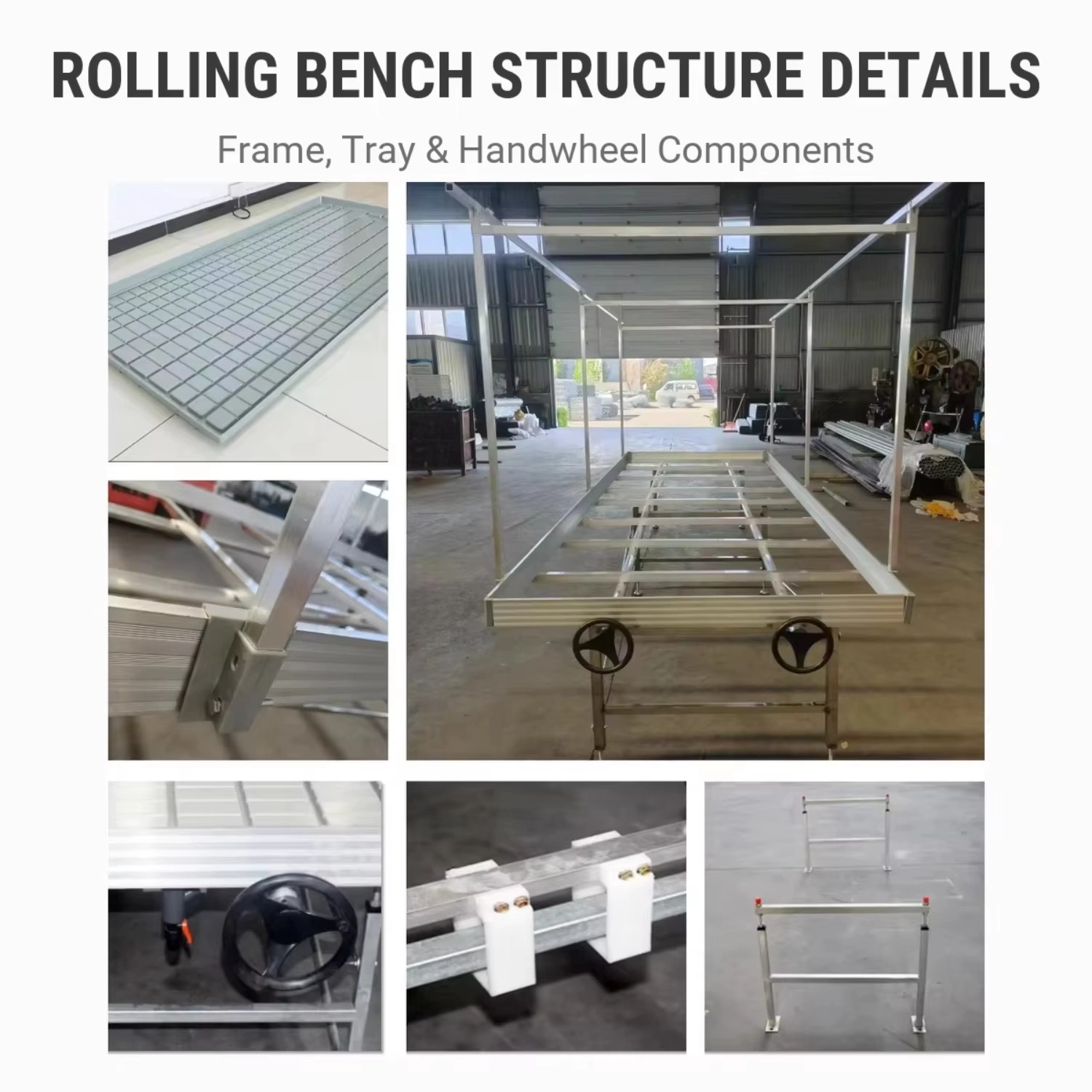
A complete bench ships with
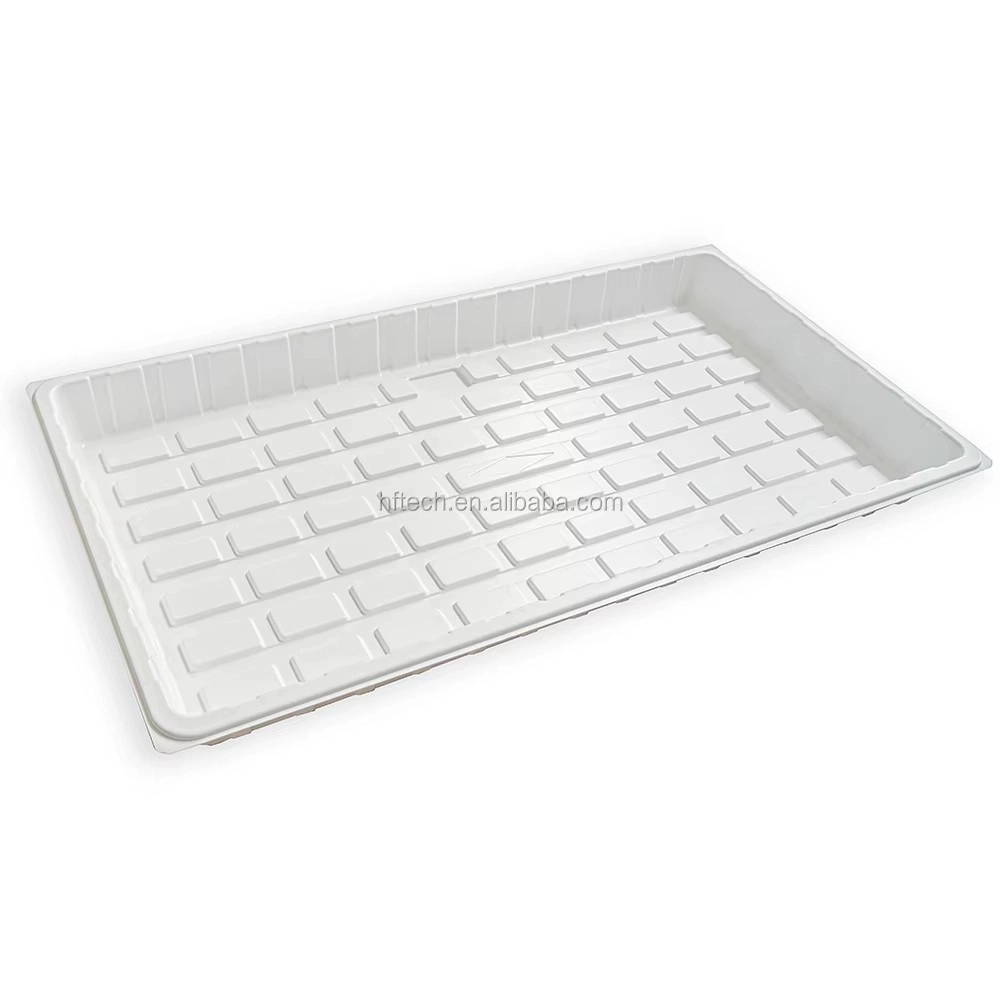
•The flood tray itself — vacuum-formed in one piece, with bulkhead openings cut to the fitting size you specify.
•The galvanized rolling frame: legs, tabletop rim, handwheel, cross bracing and anchor footplates.
•Bulkhead, elbow and seals in the size ordered, matched to the tray outlet.
•A sizing sheet for the pump and reservoir, plus a cycle-timing starting point for the crop you are raising.
2. How the Ebb & Flow Cycle Works
One cycle has five stages. Together they deliver water, nutrients and oxygen in the same pass — which is why the system produces dense root systems and very few root diseases.
- Flood. The pump lifts solution from the reservoir through the bulkhead and fills the tray to a shallow, level depth in a few minutes.
- Soak. Substrate draws water upward by capillary action. Every cell on the bench receives the same moisture, and the foliage stays dry throughout.
- Hold. A short soak time, set to seedling age and substrate, lets the plug saturate without over-wetting.
- Drain. The pump stops and the bulkhead opens; solution returns to the reservoir by gravity. No standing water, no dry corner at the far end of the bench.
- Aerate. As water leaves, air refills the pores it occupied. Roots breathe before the next flood arrives.
|
Feature |
What it means on the bench |
|
A water plane that stays level |
The ribbed floor is molded flat and supported across its whole span, so the flood reaches the same depth at both ends of a 4 × 8 ft tray. Uniform wicking means the crop finishes on one date instead of three. |
|
Water from below, foliage stays dry |
Solution rises into the substrate and never touches the leaves. Downy mildew, grey mould and damping-off lose their main entry route, so spray programmes get shorter. |
|
Drains to the last drop, then breathes |
The bulkhead opens fully at the end of the cycle and the tray empties by gravity. Air refills the pores, so roots get oxygen between irrigations instead of sitting in a saturated block — the direct answer to root rot and stunted seedlings. |
|
Cycles on a timer, not on a worker |
Flood, soak and drain run from the controller. Labour moves from watering cans to grading and despatch, and the bench behaves the same on Sunday as on Monday. |
|
Water and fertilizer stay in the loop |
Solution returns to the reservoir, is filtered and reused. A closed loop cuts water and nutrient consumption and removes the runoff problem created by overhead watering. |
|
One piece, no seam to fail |
The tray is vacuum-formed from a single sheet: no welds, no silicone lines, no drip trails under the bench. Rounded internal corners and a non-porous surface let you sanitize between crops in minutes. |
|
The bench rolls, the aisle does not grow |
A handwheel slides the tabletop sideways, so one aisle serves the benches on both sides and floor area goes back into production. |
Manufacturing Capability
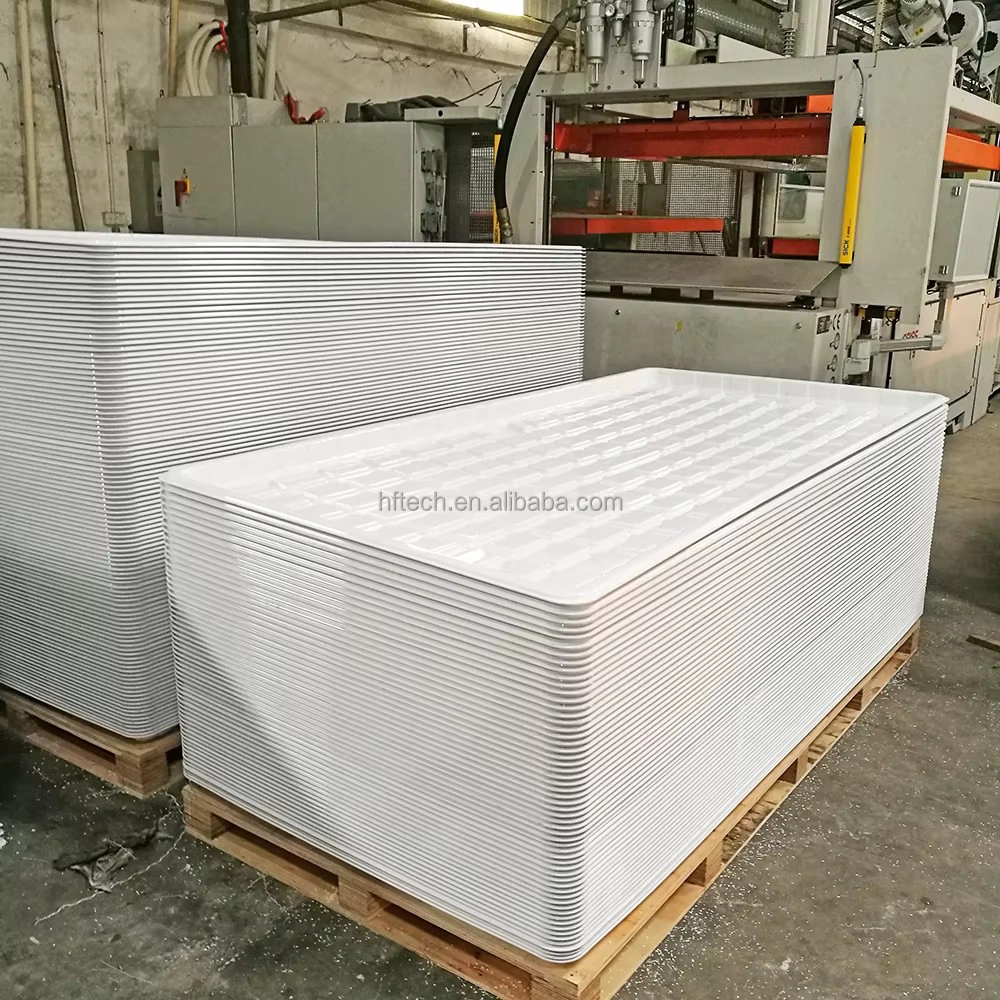
Shenzhen Hongfu Tongxin Technology Co., Ltd. supplied plastic growing systems since 2008. Trays, sheet and tooling are made in-house, which is what allows a bench to be quoted to a grower's own dimensions instead of a catalogue page.
•Sheet extrusion in-house — ABS, PP and HIPS sheet is extruded on our own lines, so gauge, colour and material batch stay under one roof instead of passing between a sheet supplier and a moulder.
•Thermoforming workshop — vacuum forming lines run from propagation trays up to bench-scale flood trays.
•Tooling workshop — moulds are designed, machined and trialled in-house, so a size change is a conversation rather than a project, and the first sample matches the fiftieth container.
•Process control — incoming resin inspection, first-off dimensional checks, and a water-tightness test on every tray before packing.
•Export record — growers, greenhouse builders and distributors in more than 2,000 customer relationships worldwide†; sea, air and express shipments backed by Alibaba Trade Assurance.
•OEM and ODM as standard — your logo, your colour, your carton and your dimensions, with neutral packing available for distributors who sell under their own label.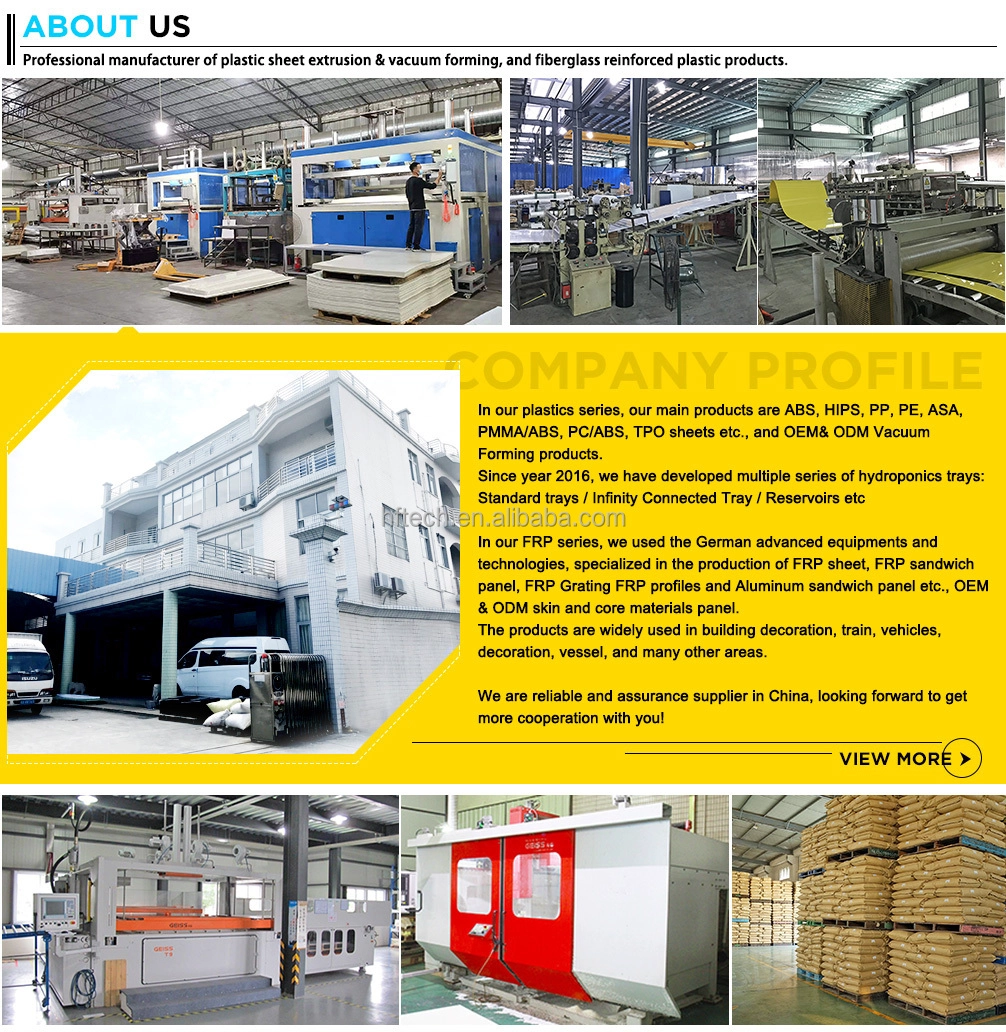
- Other Products