


Aluminum Honeycomb Composite Panels: The Quiet Material Behind Everyday Life
What Is an Aluminum Honeycomb Composite Panel?
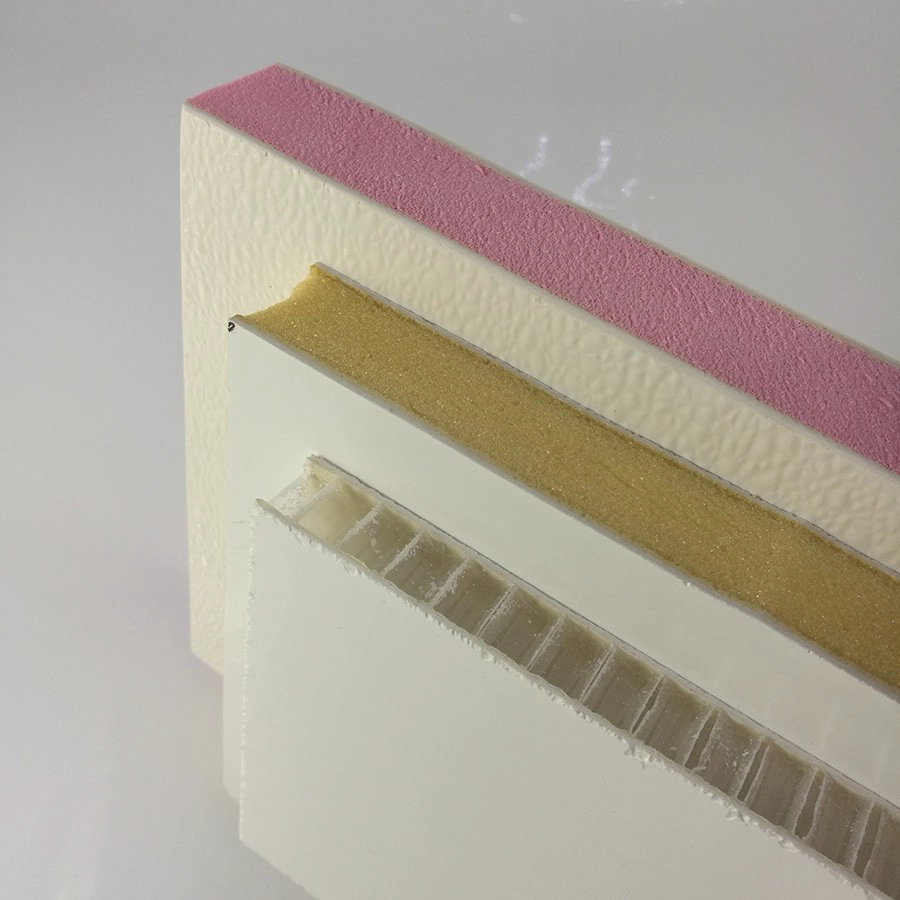
An aluminum honeycomb composite panel (often shortened to AHP or aluminum honeycomb panel) is a sandwich structure built from three layers:
Top skin — a thin aluminum sheet, usually 0.5–1.5 mm thick.
Core — an aluminum honeycomb, made by bonding thin foils into hexagonal cells and expanding them into a lattice. Cell size typically ranges from about 4 mm to 10 mm, and foil thickness from around 0.04 mm to 0.08 mm.
Bottom skin — a second aluminum sheet, usually the same thickness as the top.
The three layers are bonded with a structural adhesive under heat and pressure, then flattened and cured. The result is a rigid board that behaves like a much thicker solid sheet while weighing only a fraction of it.
In an aluminum honeycomb panel, the hexagonal core acts as a continuous vertical wall system, so loads spread across thousands of tiny columns instead of bending a single flat sheet. That is why a 10 mm honeycomb panel can feel as stiff as a 3 mm solid aluminum plate at roughly half the weight per square meter.
Why This Material Ends Up Everywhere
Five properties explain almost every application.
It is exceptionally stiff for its weight.
It stays flat. Under raking light — the harshest test for any facade — a good panel reads as a mirror-flat plane.
It does not burn easily.
It tolerates weather.
It is friendly to fabricators.
Where You Meet It in Daily Life
1. Exterior cladding is the largest single use.
Aluminum honeycomb panels form the flat, precise skins of office towers, shopping centers, airports, stadiums, and metro entrances. They are also used for canopies, column covers, soffits, sunshades, and roof-edge trims. 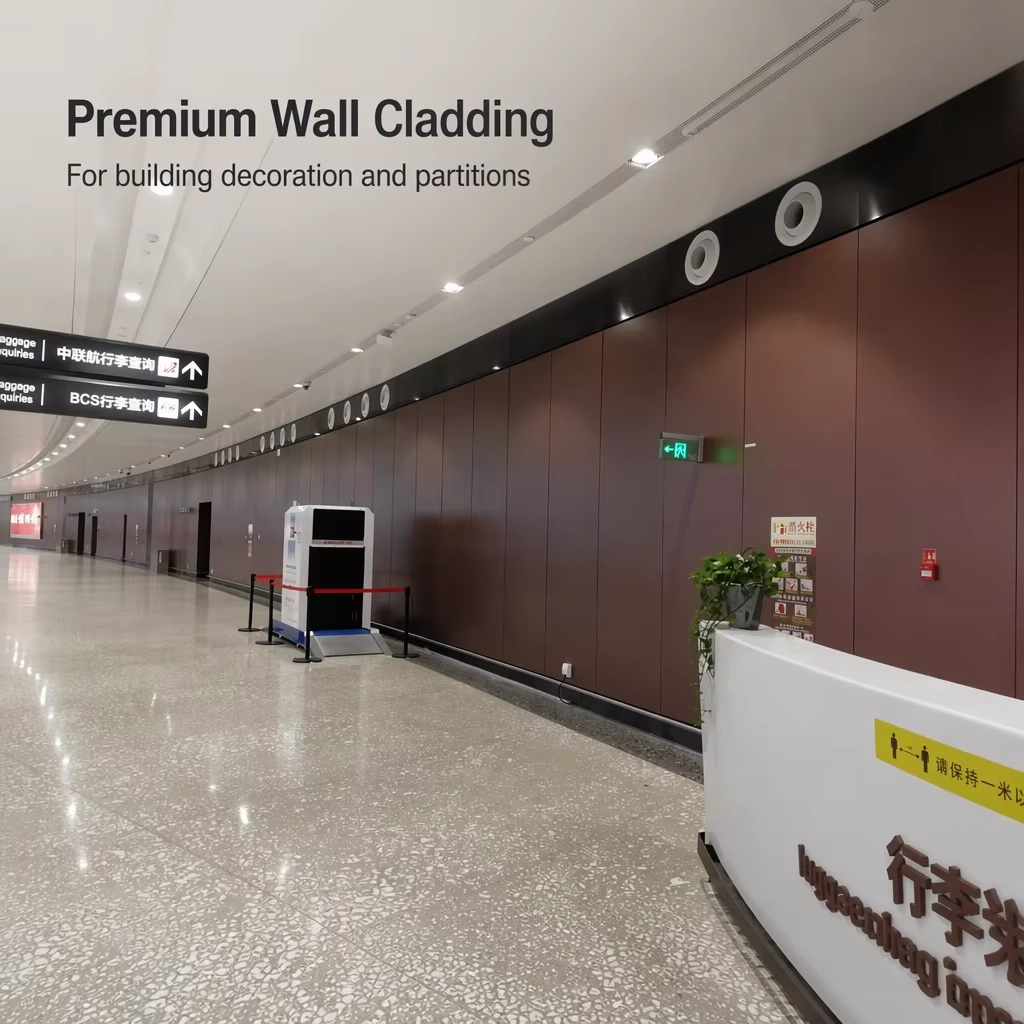
2. The ceilings you look up at
Inside buildings, honeycomb panels appear as ceiling coffers, acoustic baffles, column casings, and lift lobby wall linings.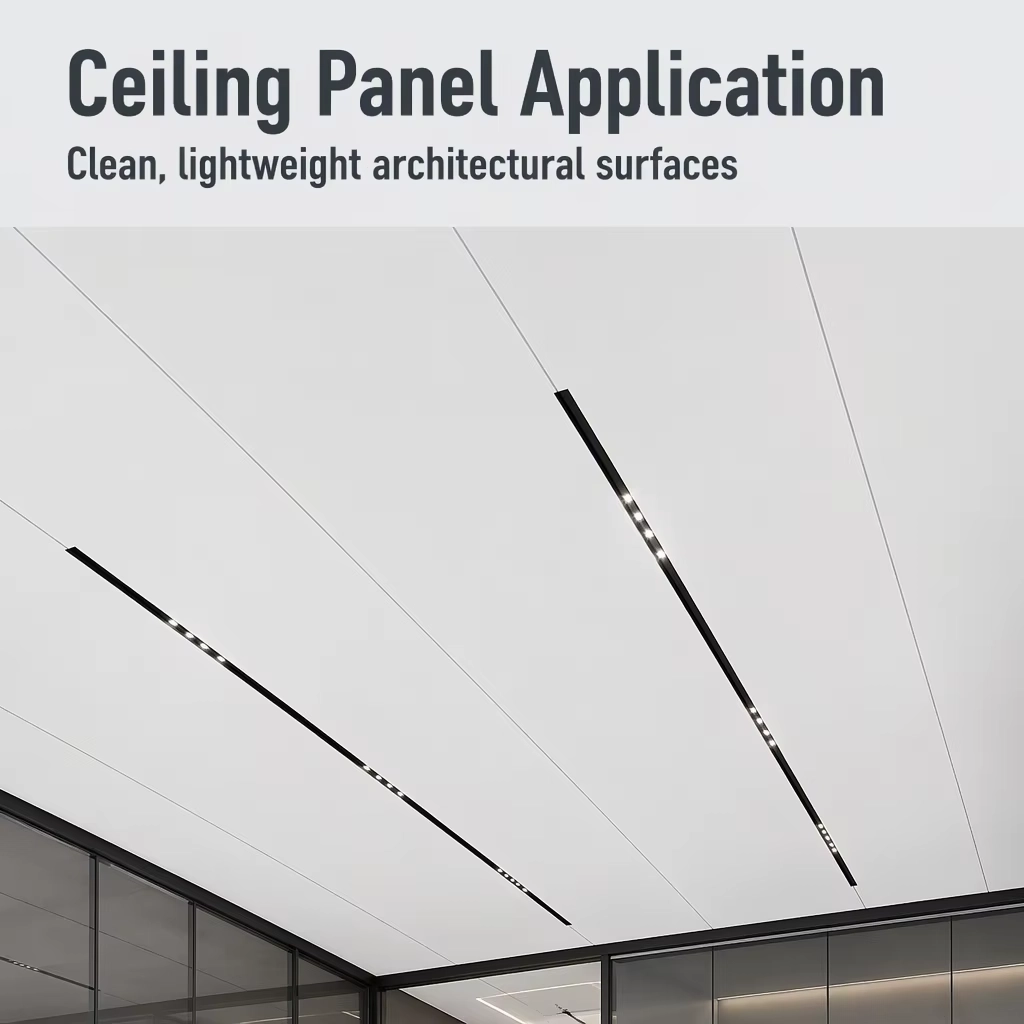
3. Elevators and escalators
Look at the inside of a lift car: the brushed stainless, mirror, wood-grain, or colored wall panels are very often honeycomb sandwiches. 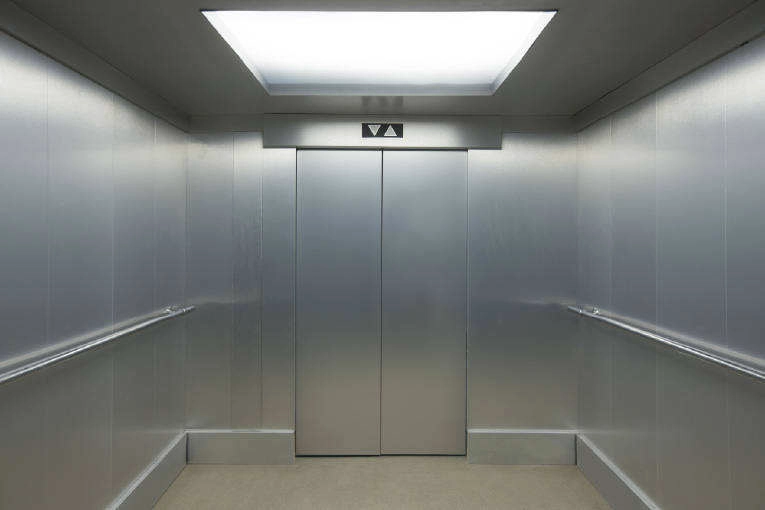
4. Furniture, kitchens, and cabinetry
In the home and in commercial fit-out, honeycomb panels become cabinet doors, wardrobe fronts, kitchen island cladding, bathroom vanity surrounds, and table tops. 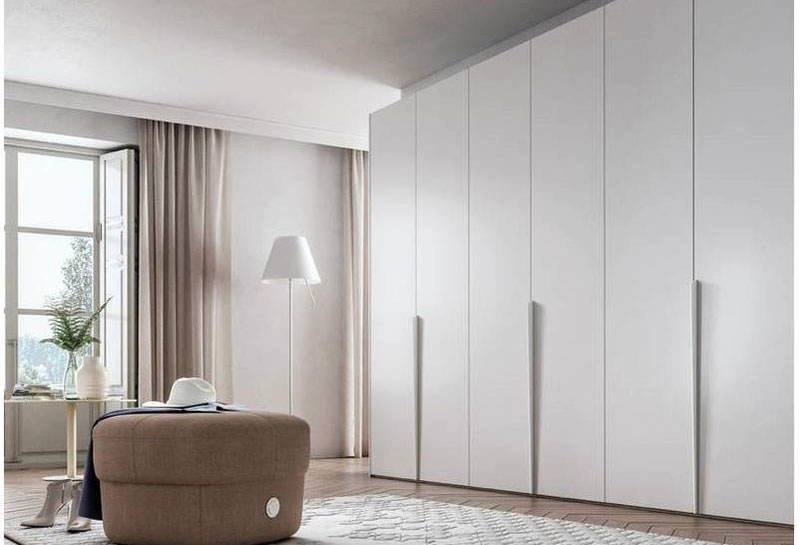
5. Public transport
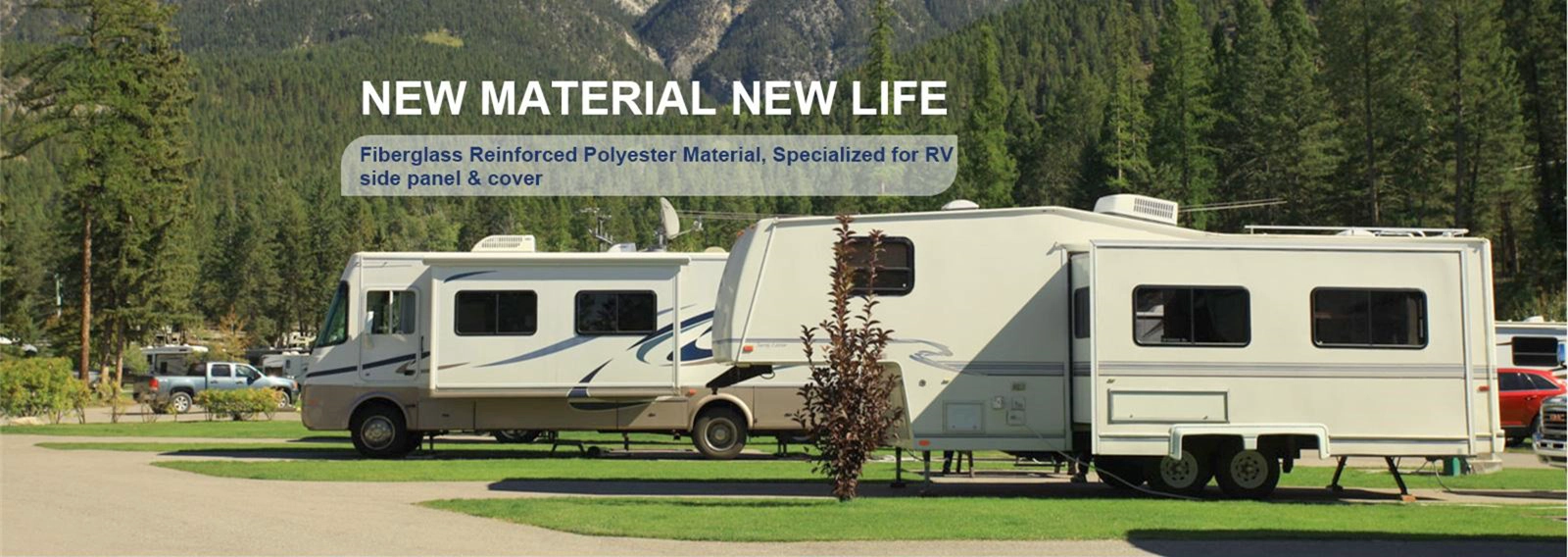
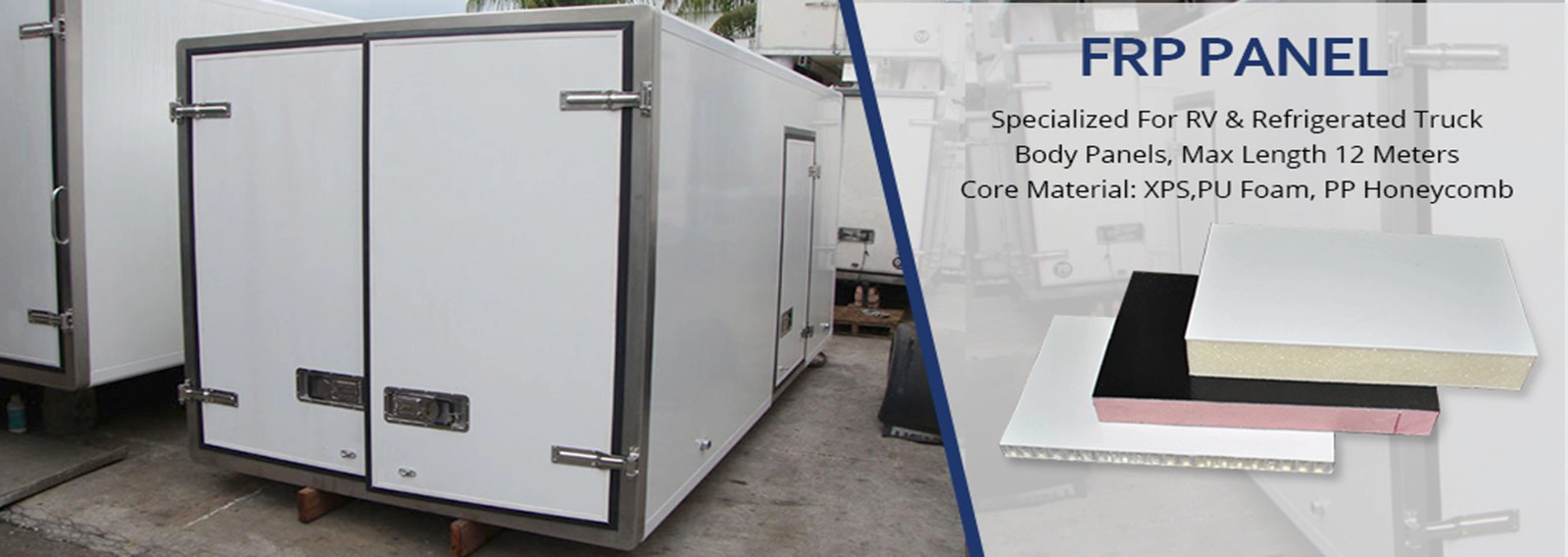
Bus and coach body panels, train interior walls, luggage racks, ceiling panels, partition screens, and door leaves are frequently honeycomb sandwiches. Truck bodies, refrigerated trailer liners, and motorhome sidewalls use similar panels for the same reasons.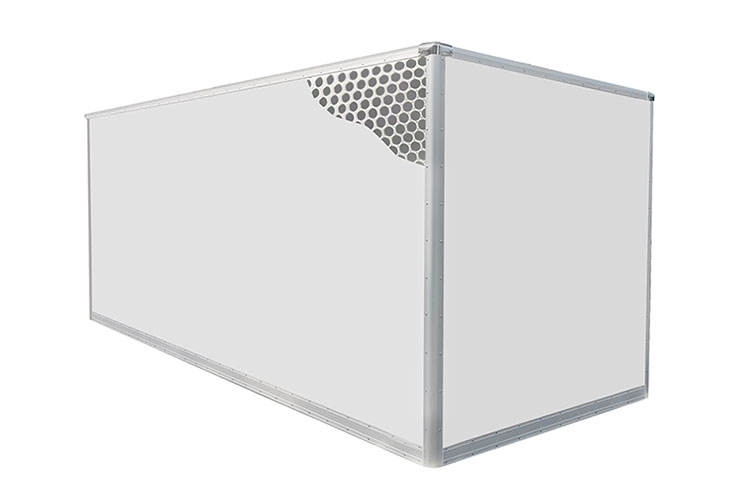
6. Ships, yachts, and the water's edge
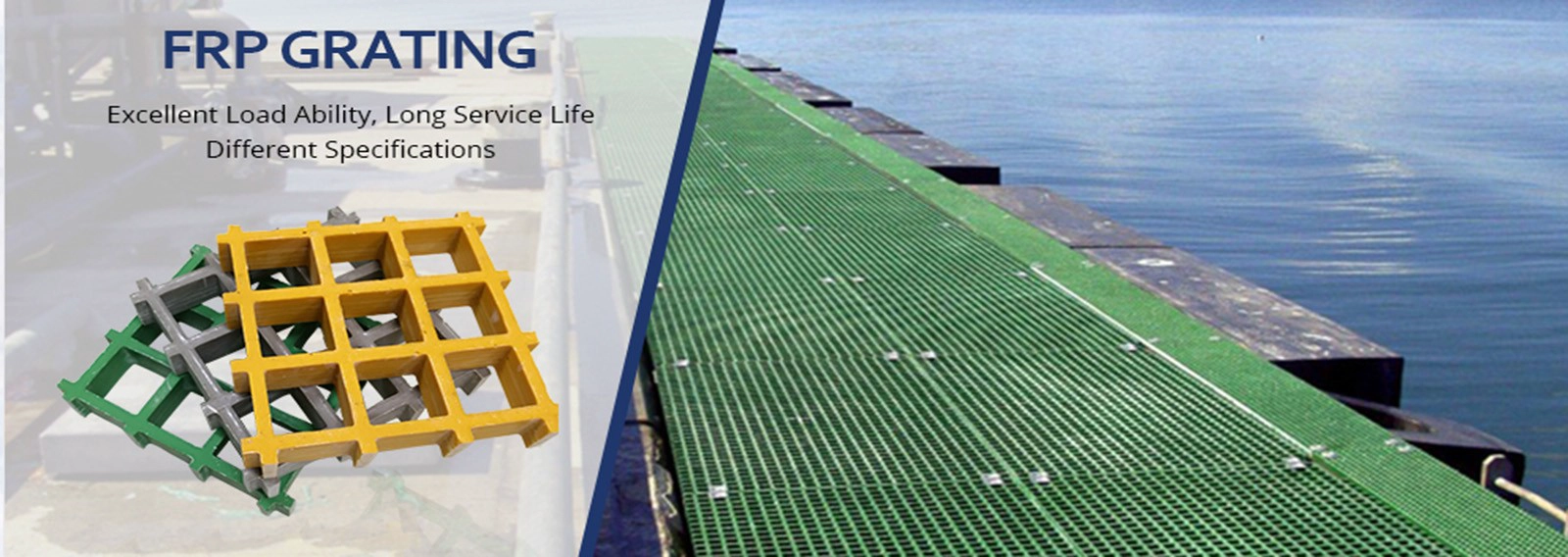
Marine interiors — bulkheads, galley surfaces, cabin furniture, superstructure cladding .
7. Clean rooms, hospitals, and laboratories
Hospitals, pharmaceutical plants, food processing areas, and laboratories need wall and ceiling systems that are smooth, seamless, cleanable, non-shedding, and non-combustible. 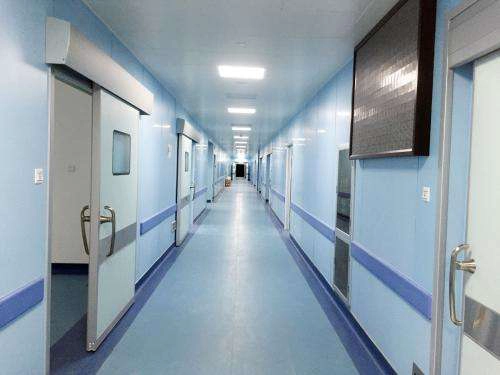
FAQS
Is an aluminum honeycomb panel the same as an aluminum composite panel (ACP)? No. ACP has a solid polyethylene or fire-retardant mineral core between two thin aluminum skins. Honeycomb panel has an aluminum lattice core. Honeycomb is stiffer and non-combustible; ACP is cheaper and easier to bend into tight curves. They compete for the same facade work but are different products with different performance.
Can it be used outdoors in coastal or industrial areas? Yes, provided the alloy, coating, and sealant are specified for the environment. In coastal or heavily polluted sites, use a PVDF coating, a marine-grade alloy where appropriate, and stainless or coated fixings to avoid galvanic corrosion.
How thick should the panel be? Panel thickness follows span and load, not fashion. A short-span interior ceiling panel might be 6–10 mm; a large facade cassette spanning a metre or more often uses 15–25 mm. The supplier should calculate deflection for your actual span rather than quote a standard thickness.
Does it dent? The skin can be dented by a hard localized impact, and a deep dent is difficult to repair invisibly. In high-traffic ground-floor areas, a slightly thicker skin or a perforated protective layer is a sensible upgrade.
Can it be curved? Yes. Curved panels are made by routing the core into ribs on the back before bending, which allows cylindrical and even some double-curved forms. Tight radii require a smaller cell size and a more ductile skin.