








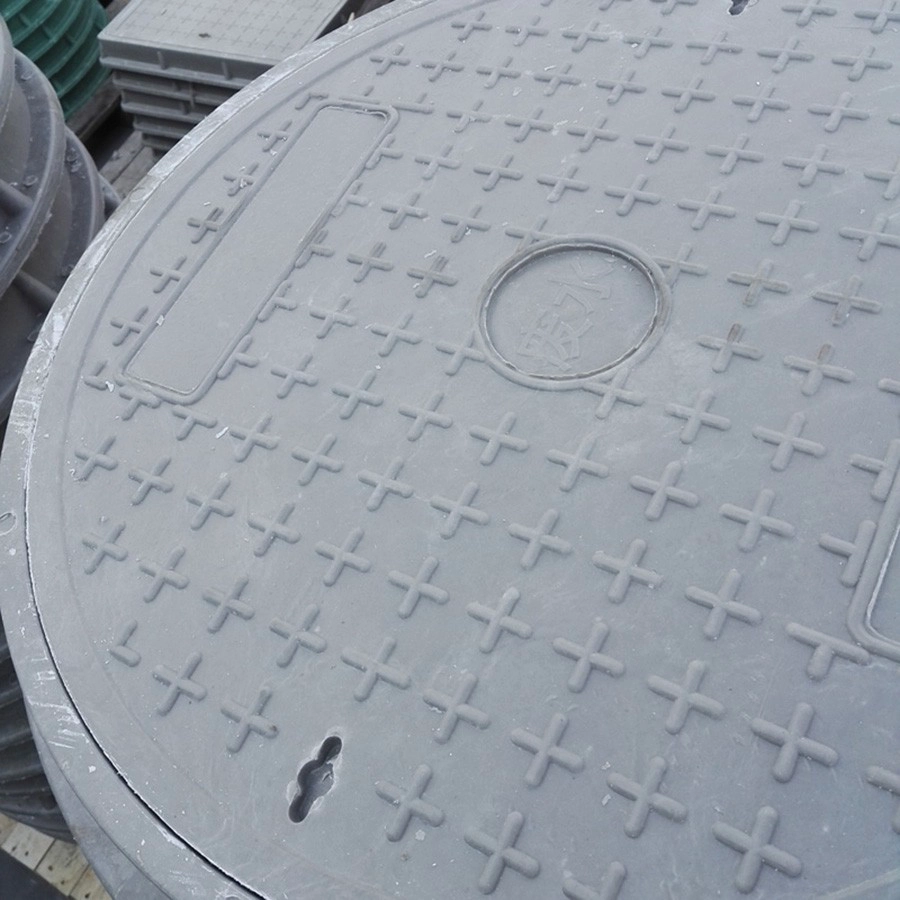
Versatile Solutions: The Critical Role of ABS, HIPS, PP, and HDPE Sheets in Modern Manufacturing
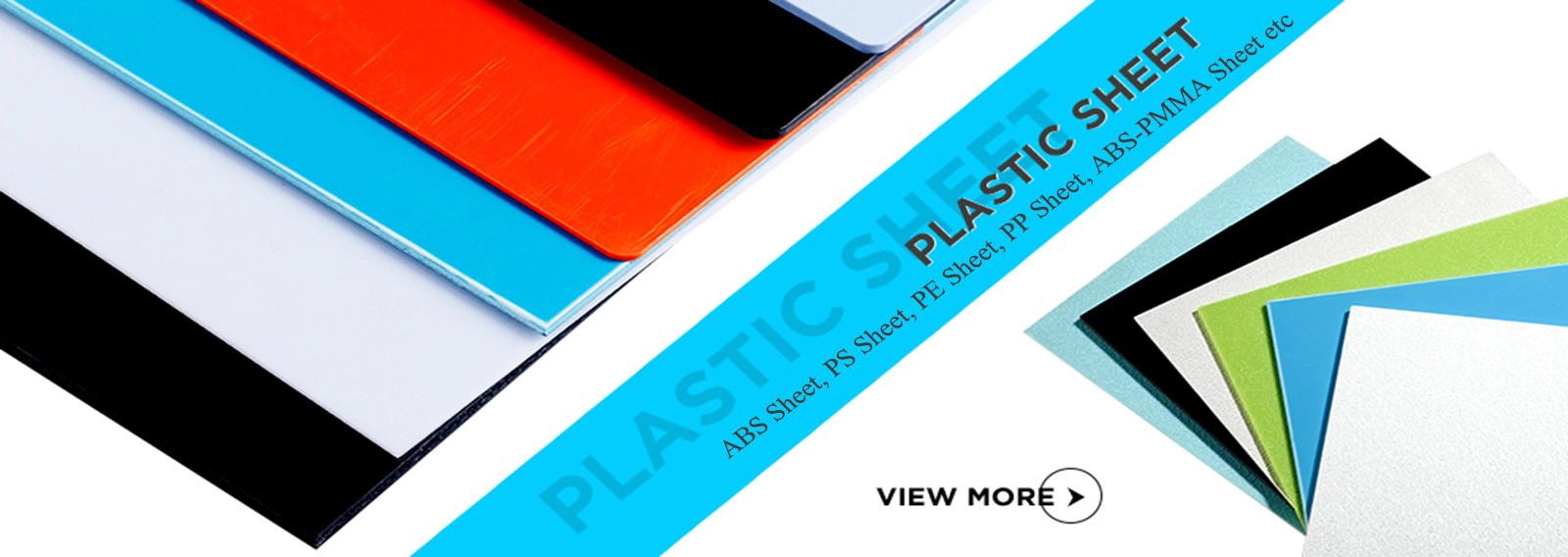
In the landscape of modern manufacturing, thermoplastic sheets serve as the backbone for countless products across diverse sectors. Among these materials, ABS, HIPS, PP, and HDPE stand out for their unique physical properties and cost-effectiveness. This article explores the specific industrial applications and advantages of these four essential plastic sheets.
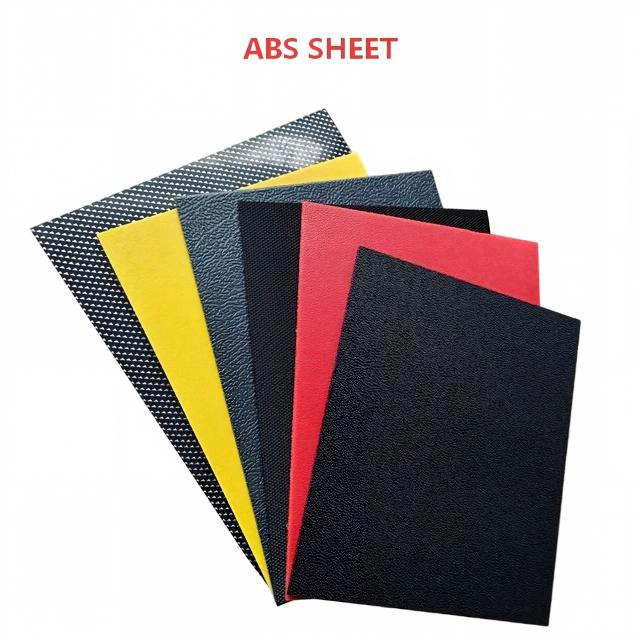
1. ABS (Acrylonitrile Butadiene Styrene): The Engineering Workhorse
ABS is renowned for its outstanding impact resistance, toughness, and aesthetic versatility . It is a favored material when both durability and a high-quality surface finish are required.
Automotive Industry: ABS is extensively used for interior panels, dashboards, and trims due to its ability to withstand rugged use while maintaining a sleek appearance .Electronics & Appliances: Many consumer electronics housings and internal components for large appliances are made from ABS, benefiting from its electrical .Construction & Outdoors: In the building sector, ABS panels are utilized for wall cladding and decorative elements that require weather resistance and low-temperature durability .
2. HIPS (High Impact Polystyrene): The Thermoforming Specialist
HIPS is a modified form of polystyrene that incorporates rubber to enhance its impact strength. It is highly valued for its ease of processing and low cost 。Packaging & Food Service: Due to its safe contact with food, HIPS is widely used for disposable cups, lids, and food containers .Signage & Advertising: The material’s smooth surface makes it ideal for Point-of-Purchase (POP) displays, promotional signage, and retail graphics .
Appliances: A major application for HIPS is in the manufacturing of refrigerator liners, where it provides excellent resistance to environmental stress cracking at cold temperatures 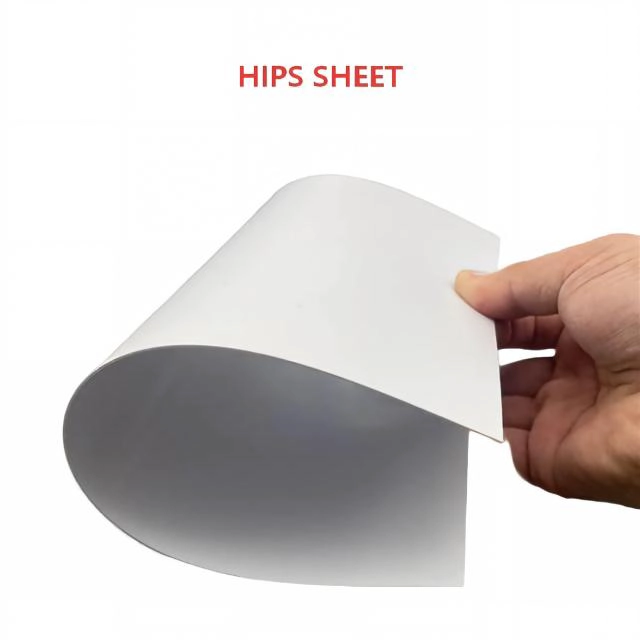
3. PP (Polypropylene): The Chemical & Heat Champion
Polypropylene is a semi-rigid material known for its exceptional chemical resistance and high melting point, making it suitable for demanding environments .
Industrial Tank Liners: PP sheets are the gold standard for chemical storage tanks and laboratory equipment, as they can resist most acids, alkalis, and organic solvents .
Medical & Laboratory: Because it can withstand high-temperature sterilization, PP is used for medical trays and specialized laboratory .Manufacturing: Beyond tanks, PP is utilized for durable fenders, bumpers, and industrial covers that require a balance of stiffness and.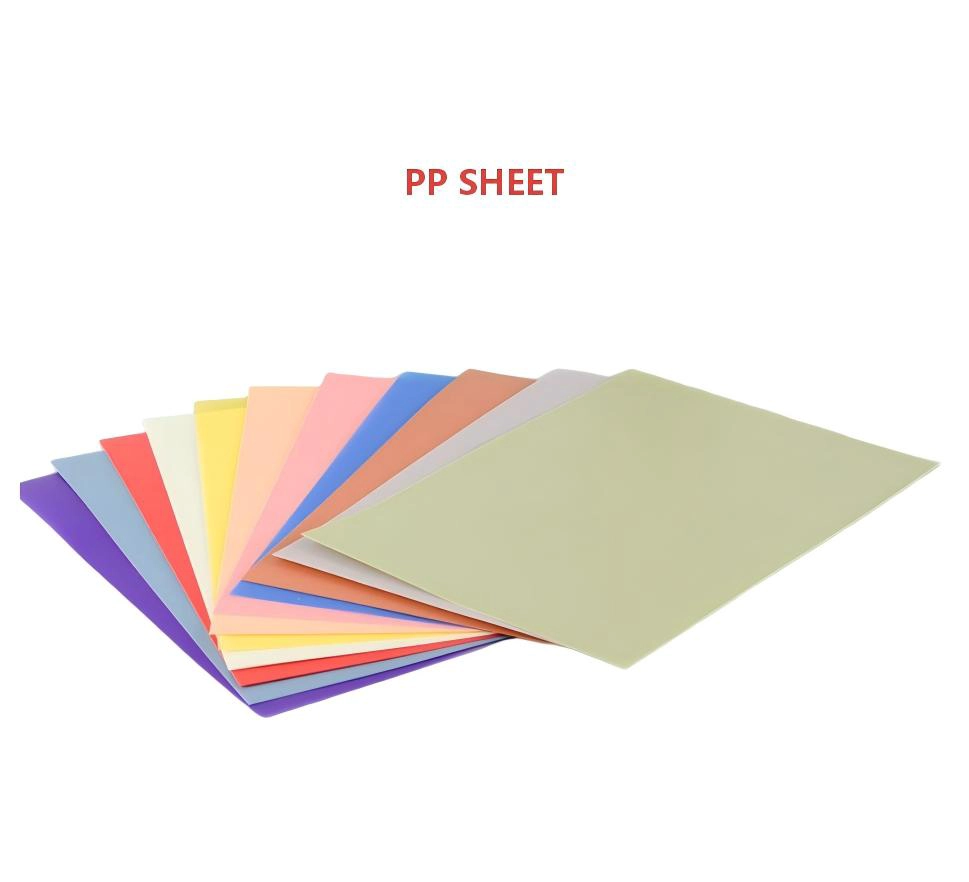
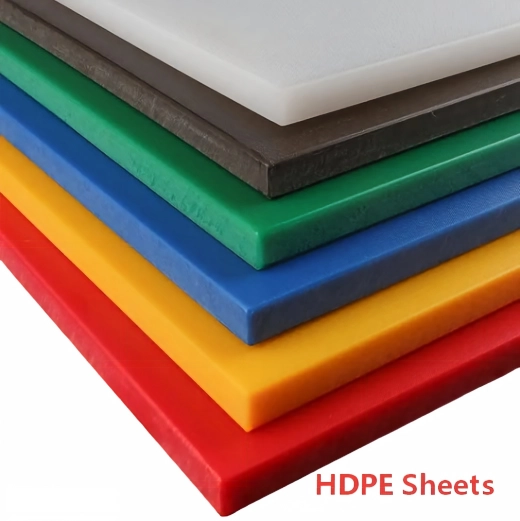
4. HDPE (High Density Polyethylene): The Durability Expert
HDPE is one of the most versatile plastics, prized for its extreme durability, moisture resistance, and high strength-to-density ratio .
Food Processing: HDPE is a primary material for industrial cutting boards and food preparation surfaces, as it is non-porous and easy to sanitize .
Logistics & Infrastructure: Heavy-duty application includes pallets, slip sheets, and telecom ducts. Its resistance to moisture and UV makes it perfect for marine projects .
Water Management: HDPE sheets are frequently used as liners for water treatment systems and agricultural storage ponds due to their leak-proof nature and long lifespan .
Conclusion: Selecting the Right Sheet.
Choosing the appropriate material is a strategic decision. While ABS offers the best balance of aesthetics and strength, HIPS provides the most economical solution for disposable goods. For chemical environments, PP remains unrivaled, whereas HDPE is the go-to for heavy-duty industrial and outdoor applications . Understanding these distinctions allows manufacturers to optimize product performance and cost-efficiency in a competitive global market.