







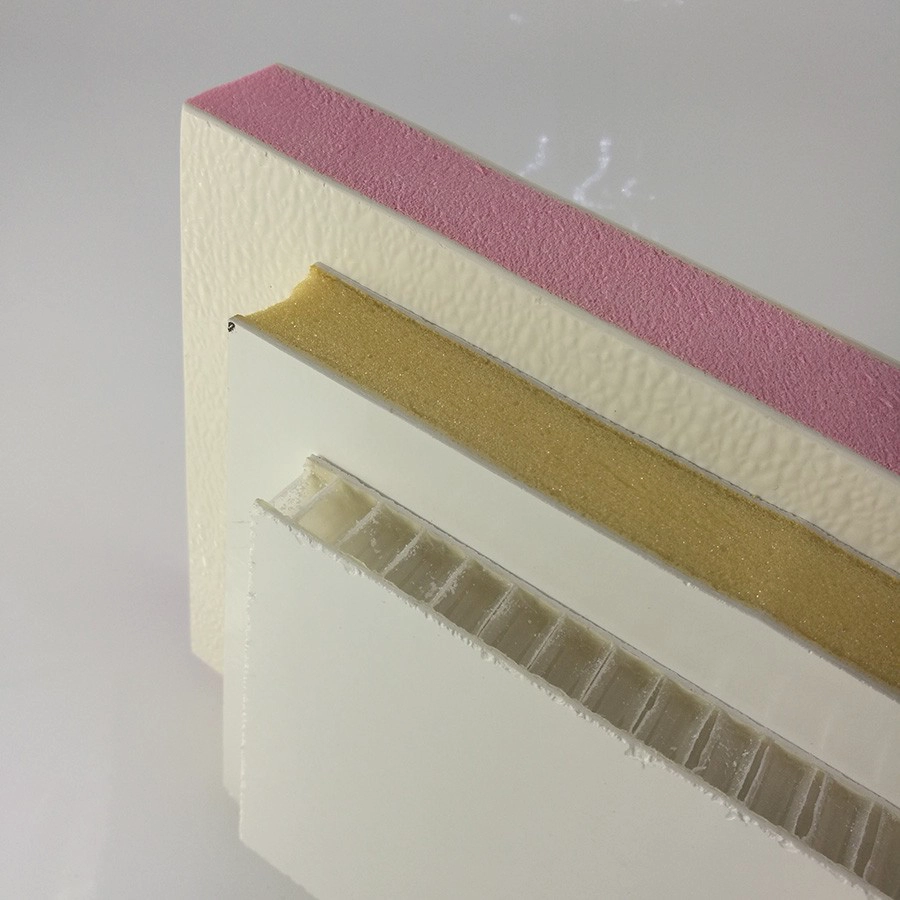
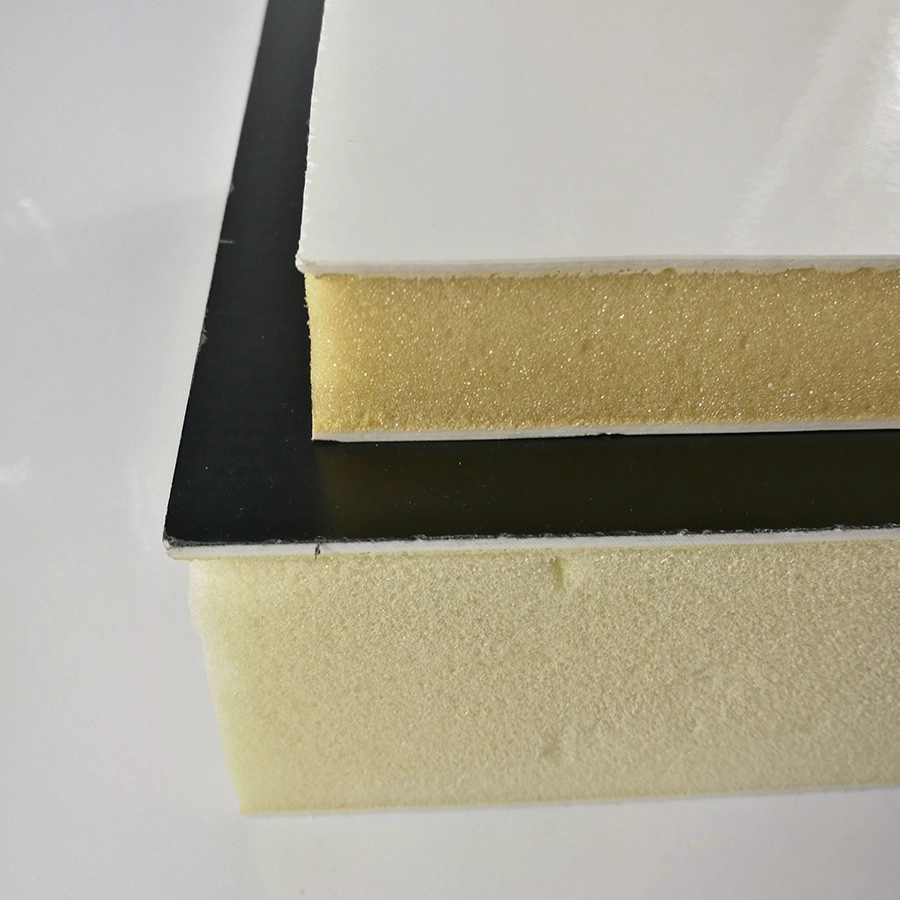
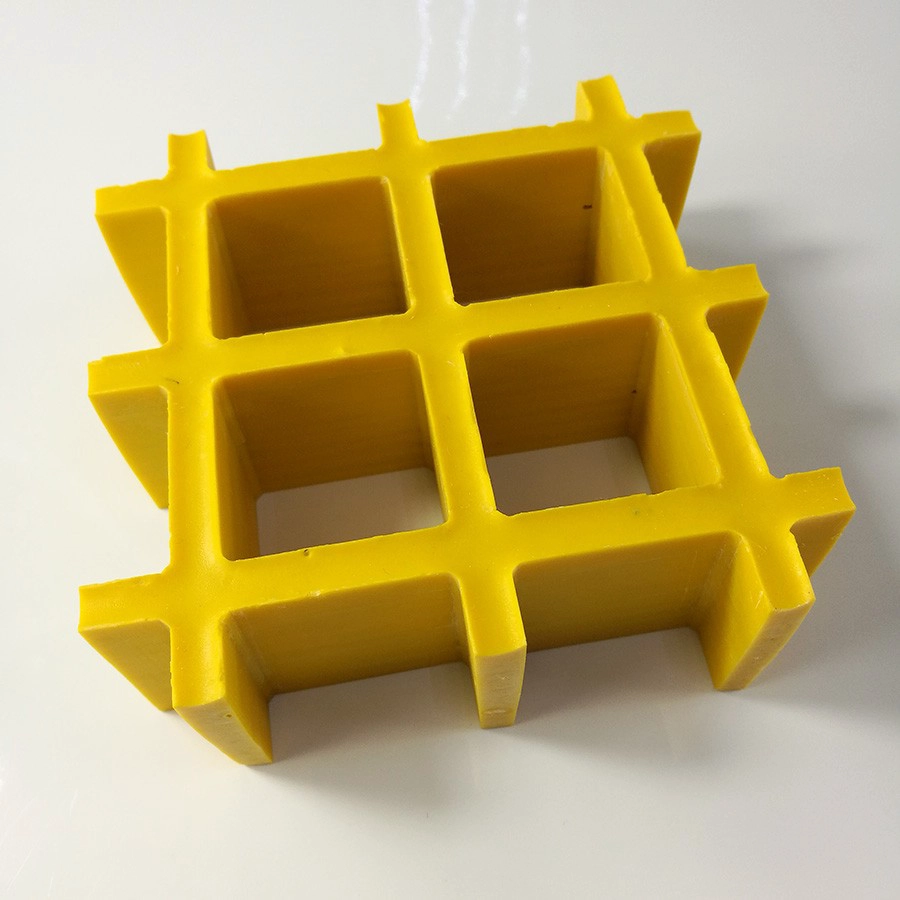
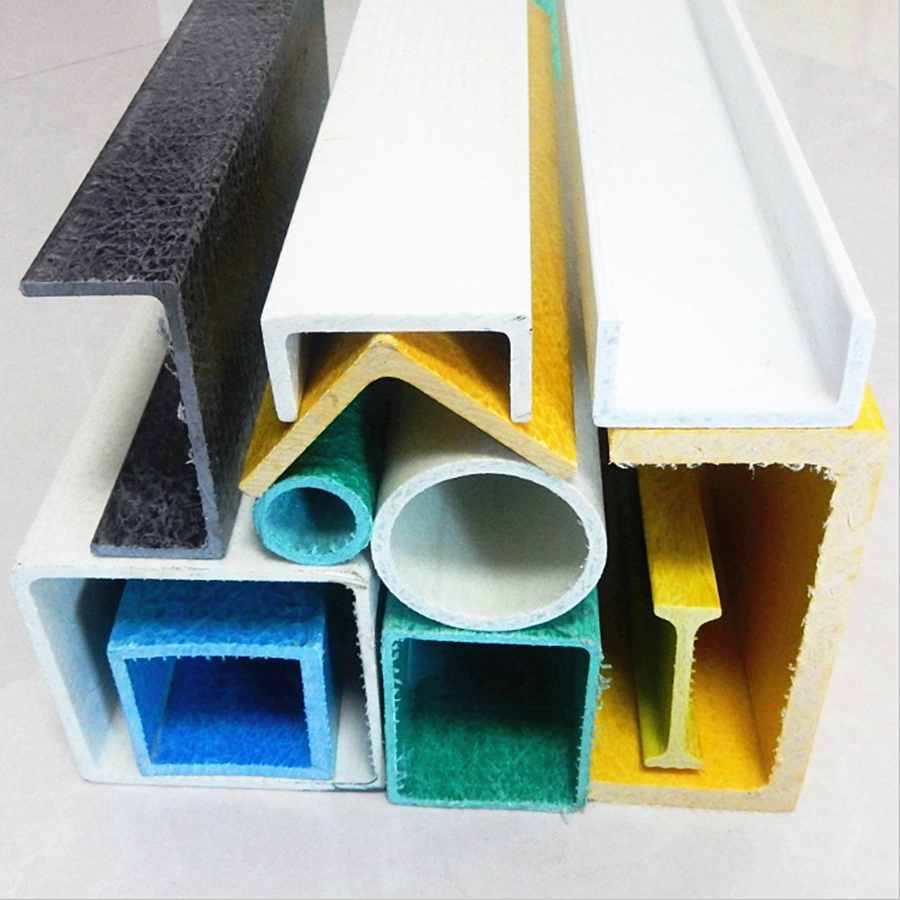
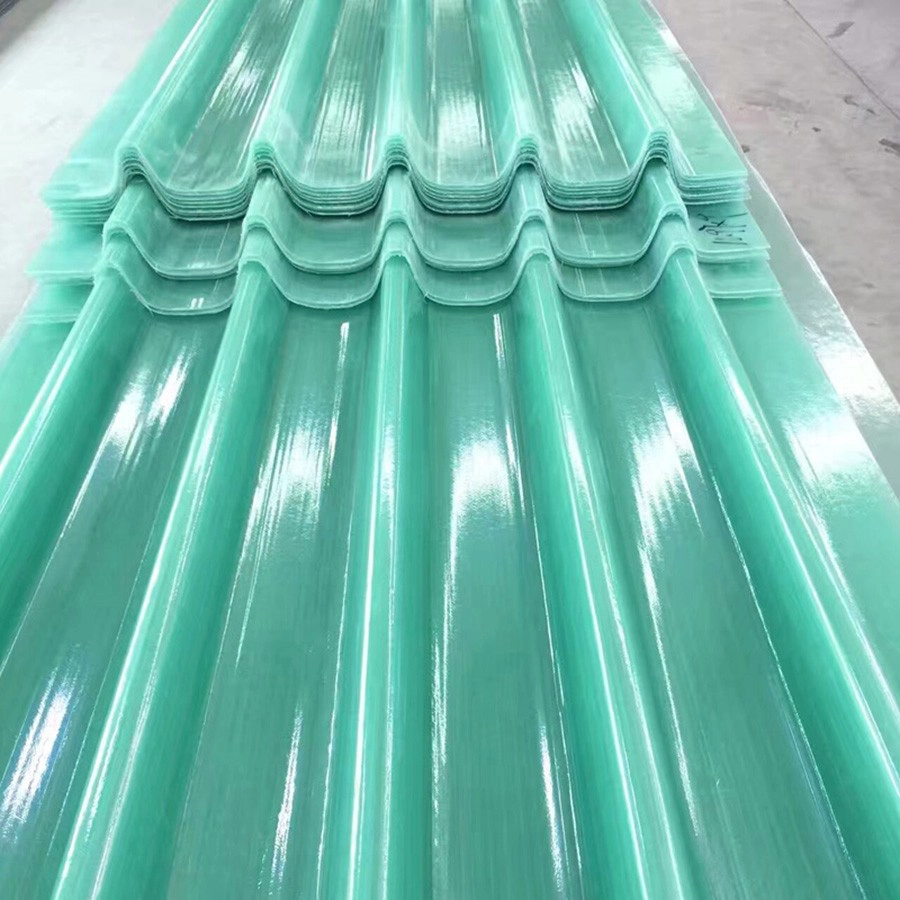
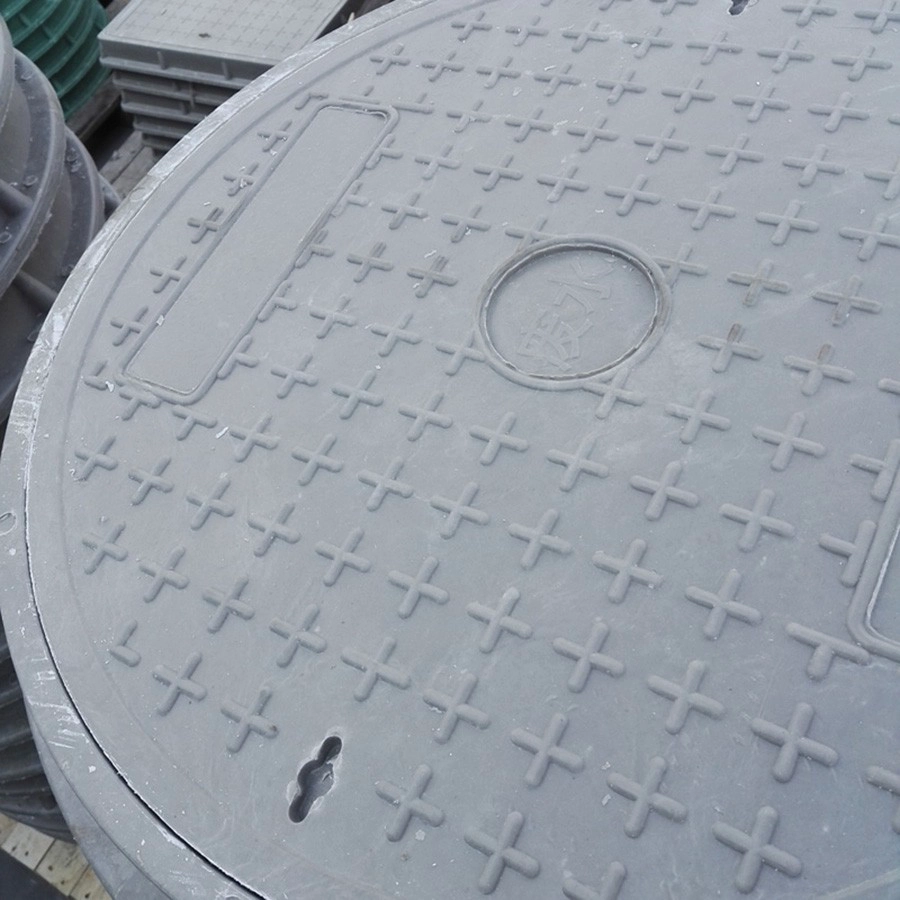
Frp Exterior Panels
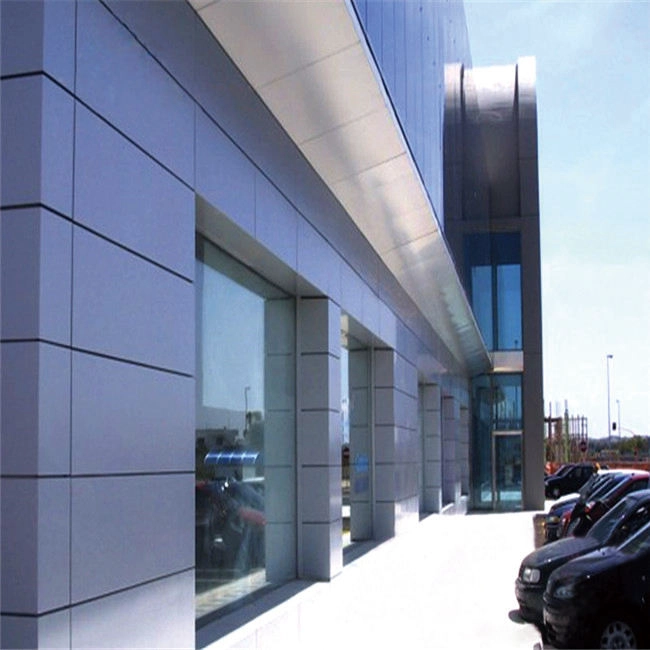 The Advantages and Applications of FRP Panels for Exterior Walls
Fiberglass Reinforced Polymer (FRP) panels have emerged as a revolutionary material in the architectural and construction industries. Traditionally used for interior applications such as commercial kitchens and medical laboratories, FRP is increasingly being adopted for exterior wall cladding due to its exceptional physical properties and versatility.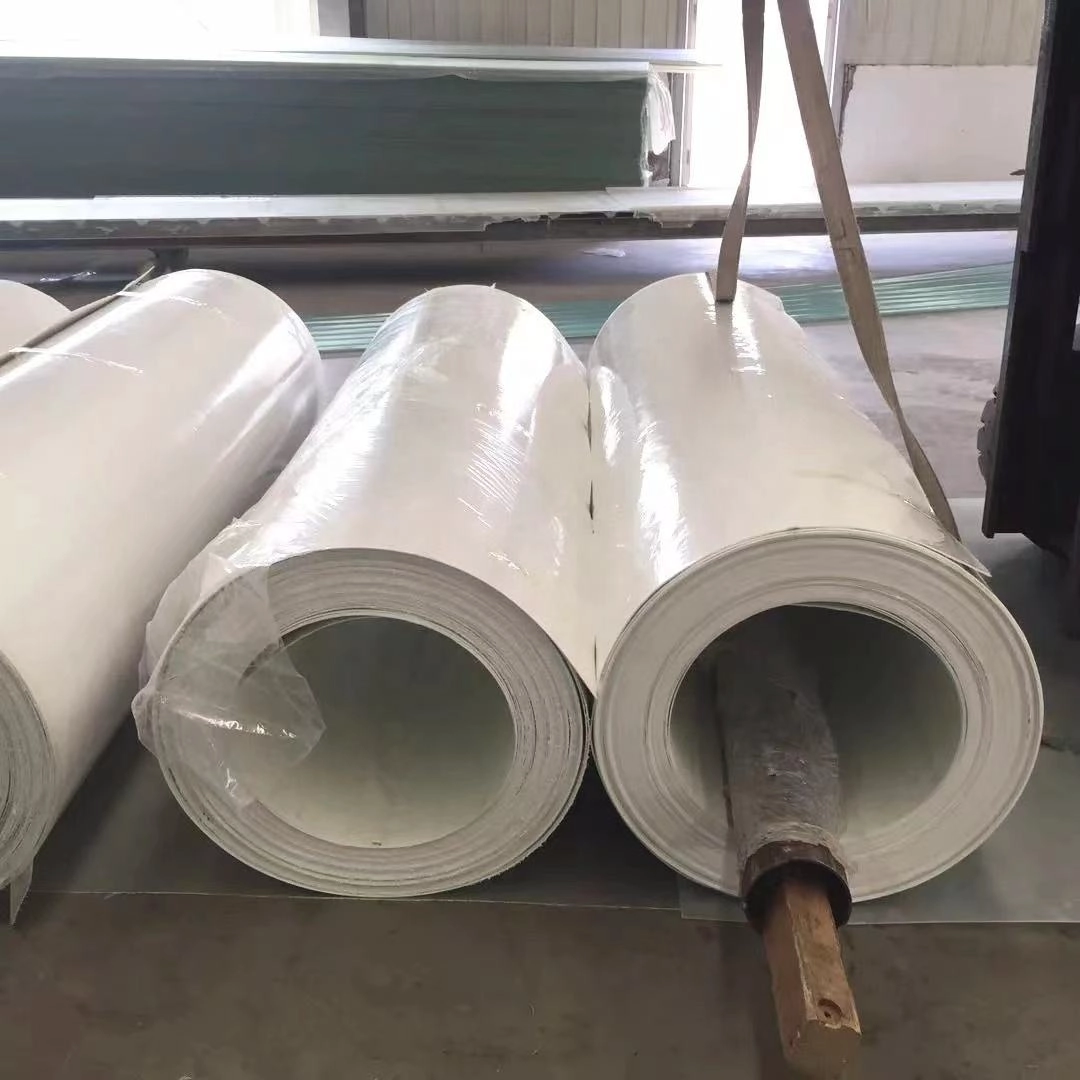
Why Choose FRP for Exterior Walls?
Architects and developers are pivoting toward FRP panels for several
1. Unmatched Durability and Resilience
Unlike traditional materials like wood or metal, FRP panels are virtually immune to the common causes of structural decay. They do not rot, warp, or corrode when exposed to harsh environmental conditions . This resilience makes them ideal for buildings in coastal areas where salt air typically accelerates the corrosion of metal panels.
2. Exceptional Weather Resistance
Exterior wall panels must withstand extreme temperature fluctuations, UV radiation, and heavy precipitation. FRP composites are engineered to maintain their structural integrity and color even under prolonged sun exposure and heavy rain, providing long-term protection against the elements .
3. High Strength-to-Weight Ratio
One of the most significant advantages of FRP is its weight. FRP is approximately 75% lighter than steel but offers comparable structural . This reduction in weight significantly lowers transportation costs and simplifies the installation process, often requiring less heavy machinery and labor.
4. Design Versatility
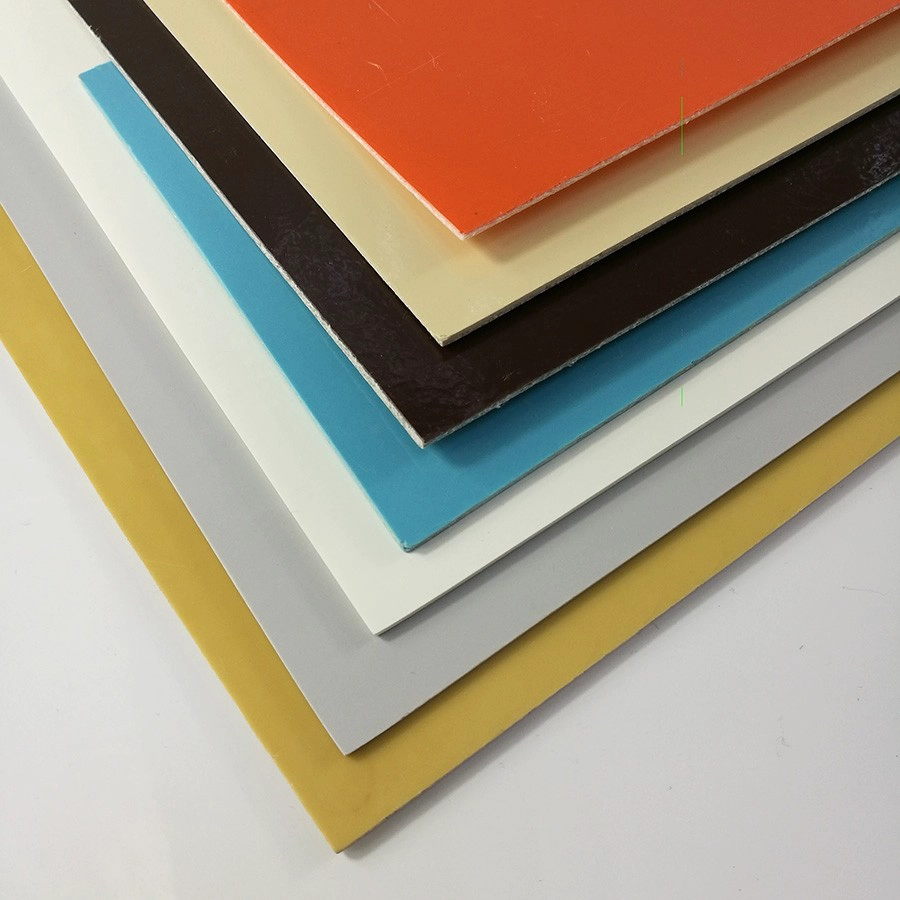
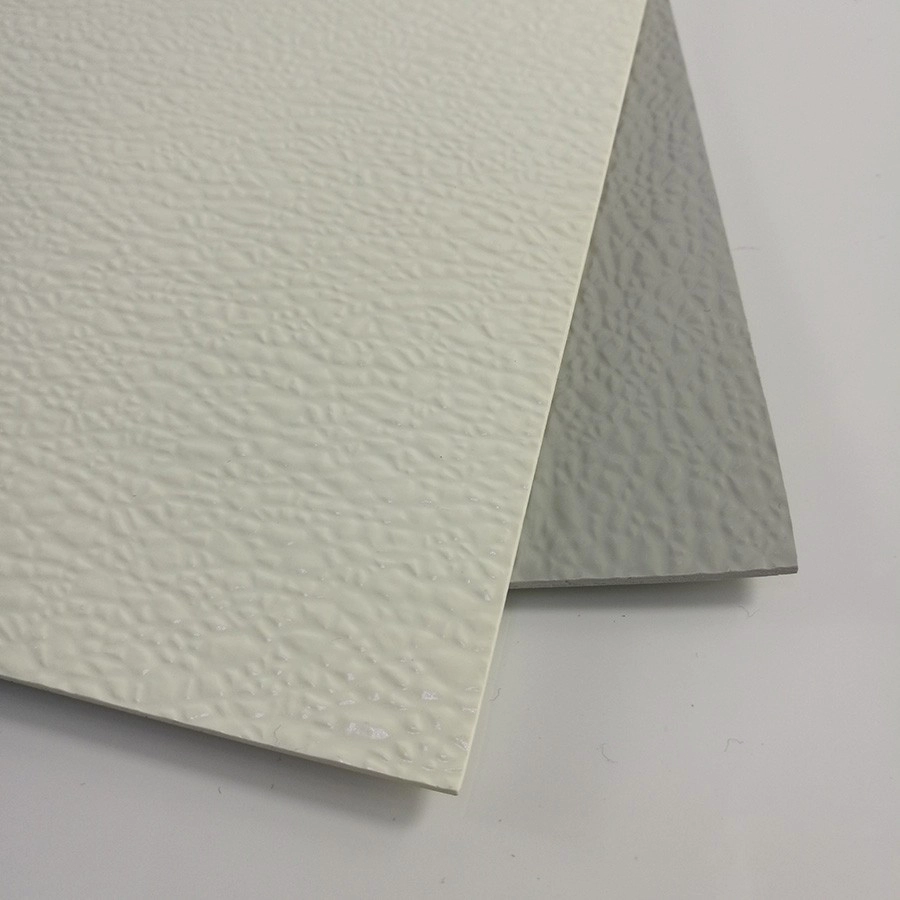
FRP panels can be manufactured in a wide range of colors, textures, and finishes. Whether a project requires a sleek modern aesthetic or a decorative architectural screen, FRP can be customized to meet specific design requirements .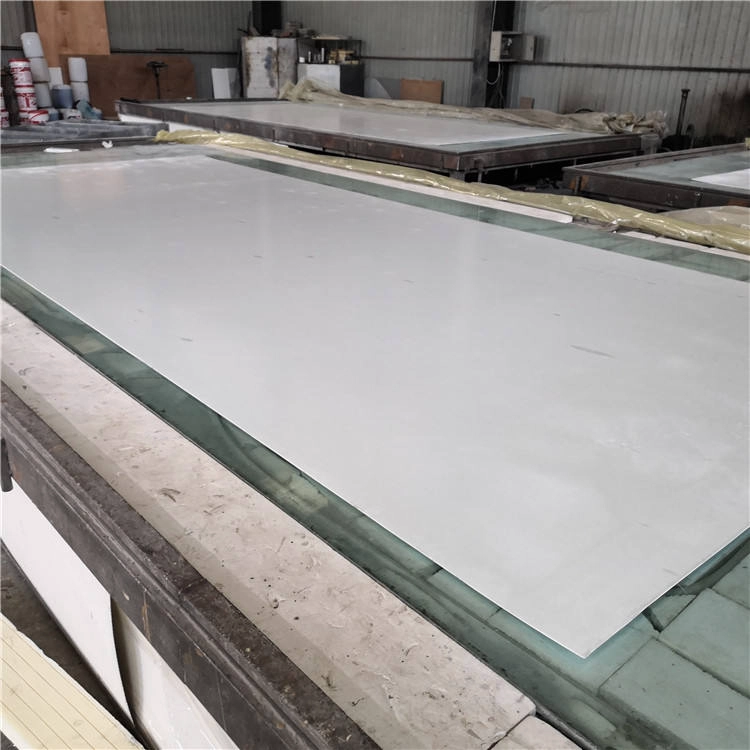
Key Applications in Modern Architecture
FRP exterior panels are utilized across various sectors:
Commercial Facades: Used for durable, low-maintenance building envelopes in shopping centers and offices .
Industrial Facilities: Providing corrosion-resistant walls for cooling towers and chemical plants
Renovations and Retrofitting: The lightweight nature of FRP makes it perfect for cladding over existing structures to modernize their appearance without adding excessive weight .
Maintenance and Sustainability
FRP panels require minimal upkeep. Their non-porous surface is easy to clean and resists the growth of mold and mildew . Additionally, the long lifespan of FRP reduces the need for frequent replacements, contributing to the overall sustainability of the building.
Conclusion
As the construction industry seeks materials that balance performance, cost, and aesthetics, FRP panels for exterior walls stand out as a superior choice. Their ability to outperform traditional materials in durability and weight while offering endless design possibilities ensures their place as a cornerstone of modern architectural cladding solutions.