






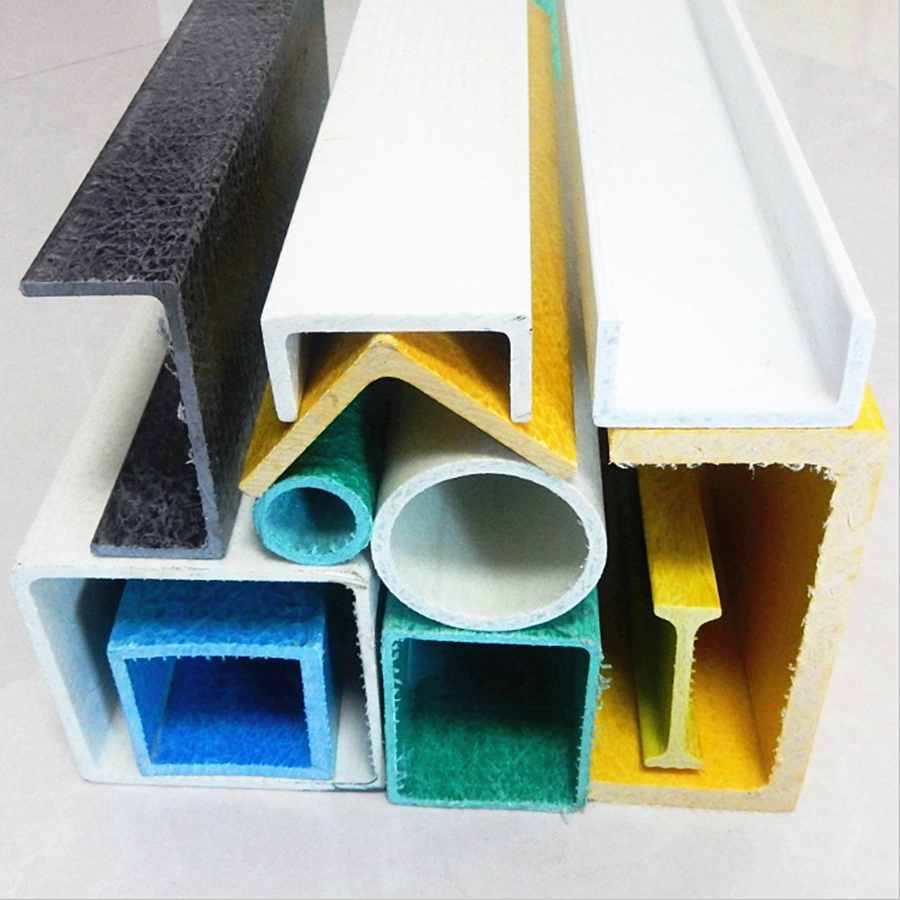
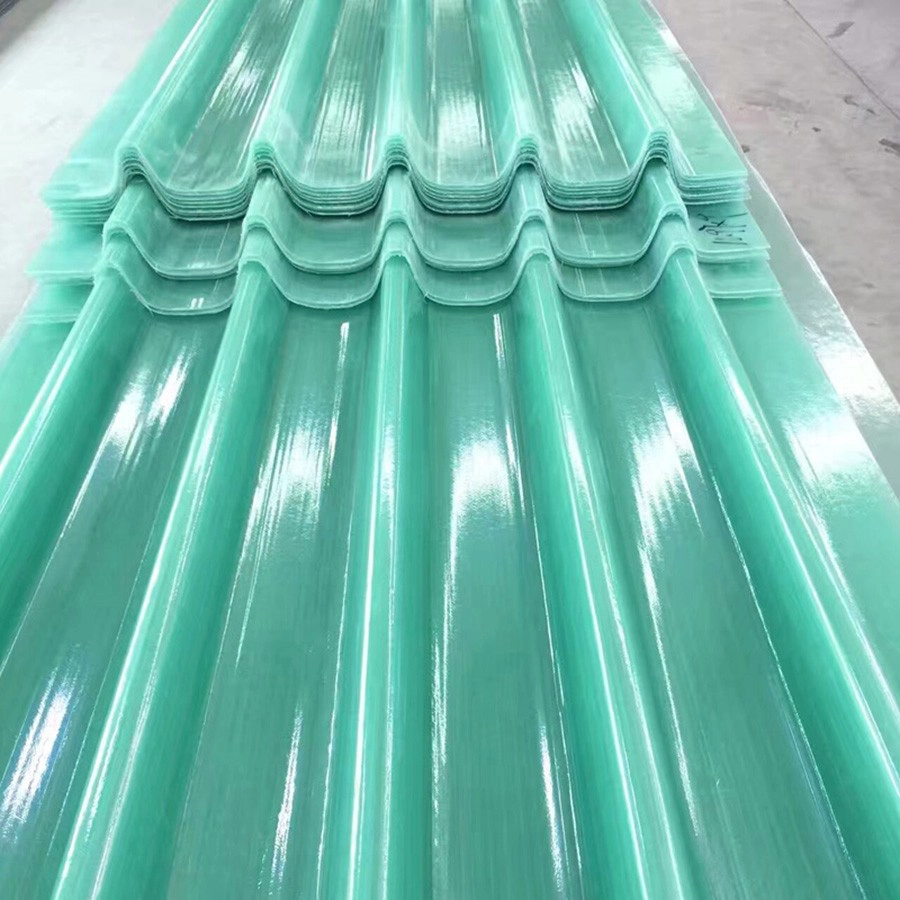
FRP Refrigerated Truck Panels — High-Strength, Thermal-Efficient Composite Sheets
Product Overview
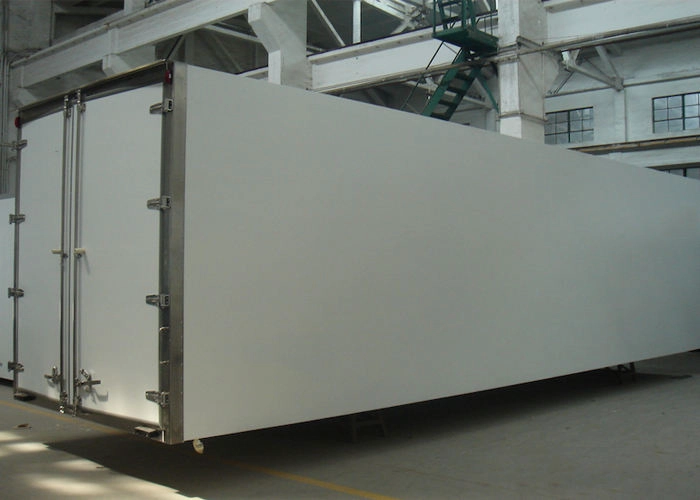
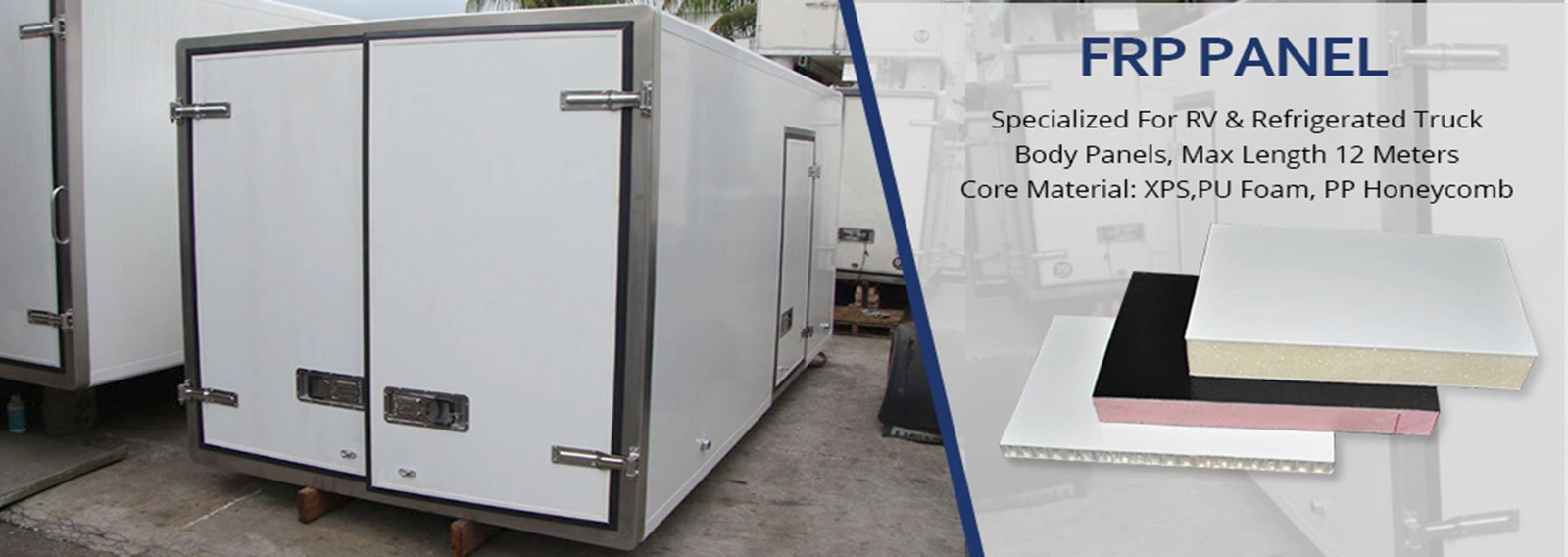
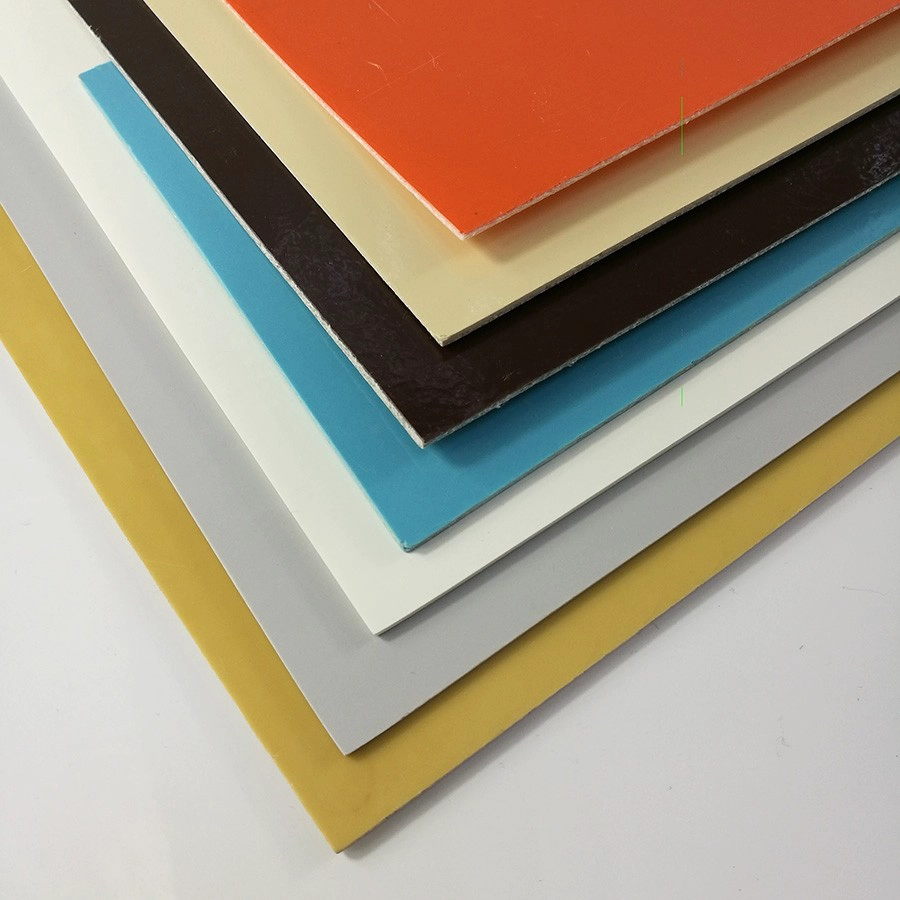
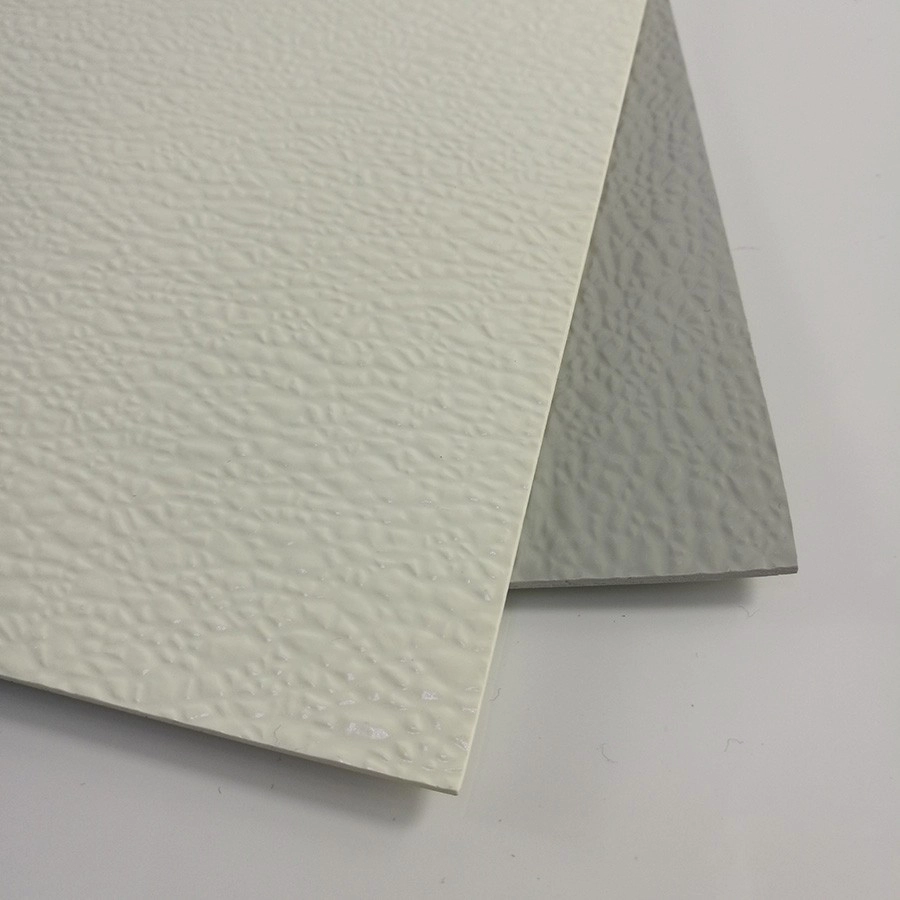
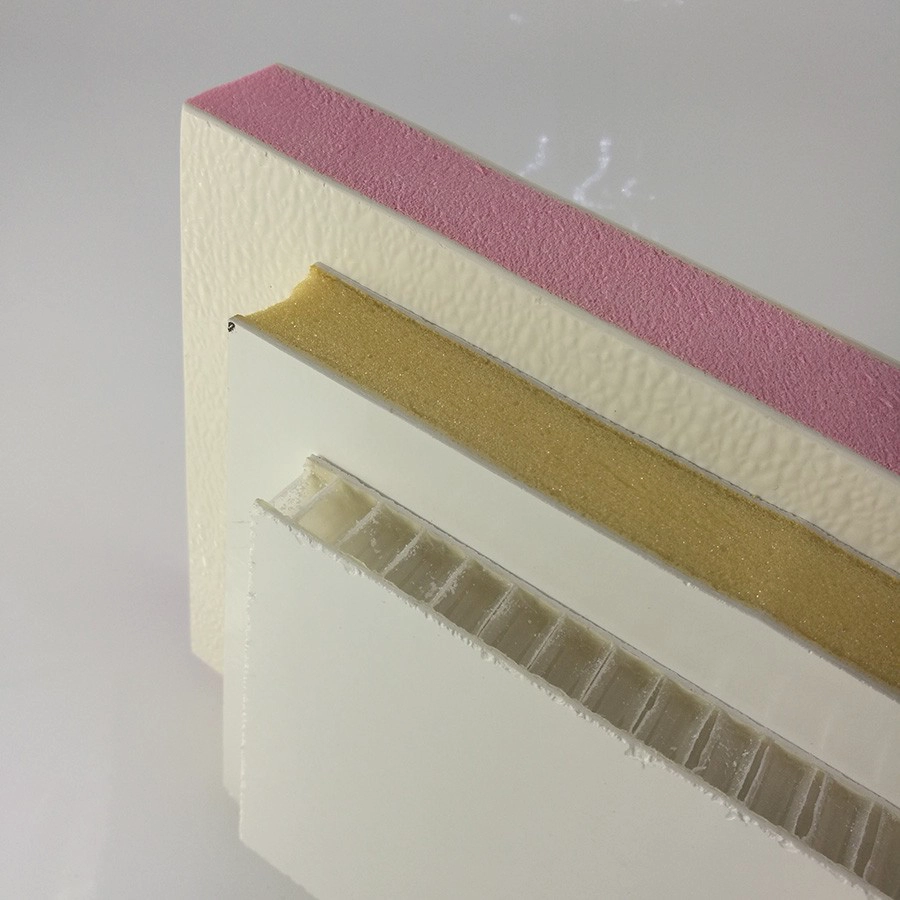
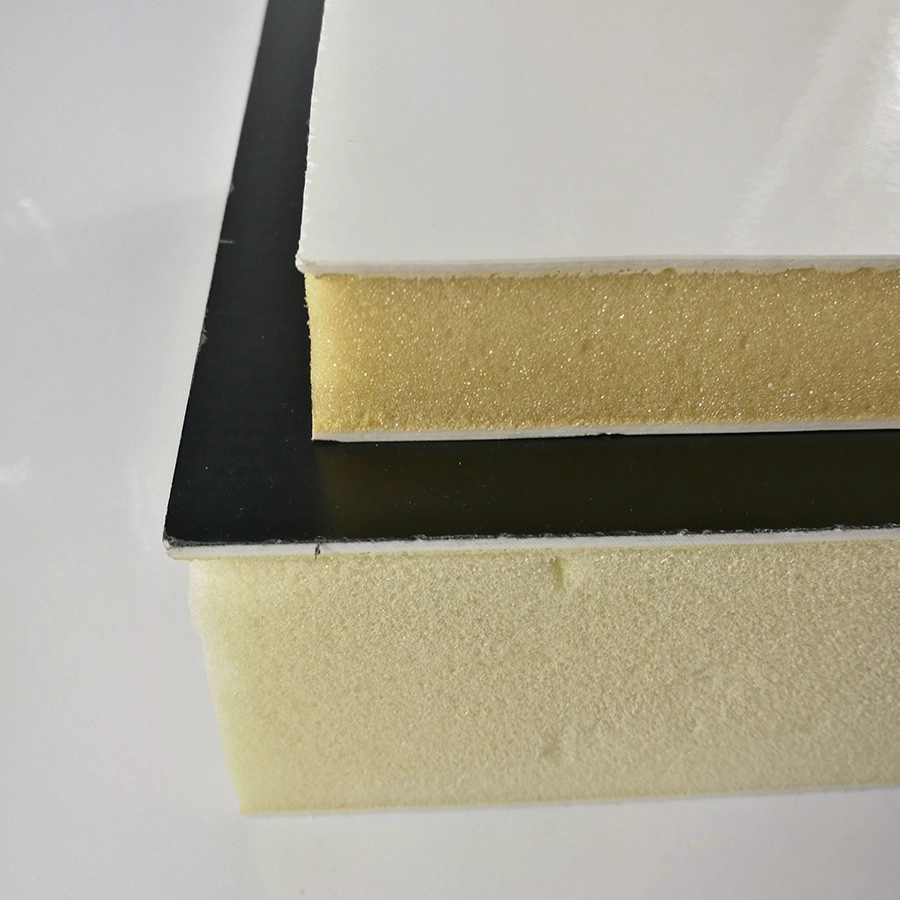
Fore's FRP (Fiberglass Reinforced Plastic) refrigerated truck panels are engineered specifically for cold-chain logistics and reefer vehicle bodybuilding. Combining a high-strength fiberglass skin with a closed-cell insulation core, our panels deliver exceptional thermal insulation, moisture resistance, and structural durability — keeping cargo cold while withstanding the rigors of long-haul transportation.
Whether you're manufacturing refrigerated trailers, truck bodies, or cold storage containers, our FRP sheets provide a lightweight yet impact-resistant solution that outperforms traditional aluminum and steel skins in corrosion resistance and thermal efficiency.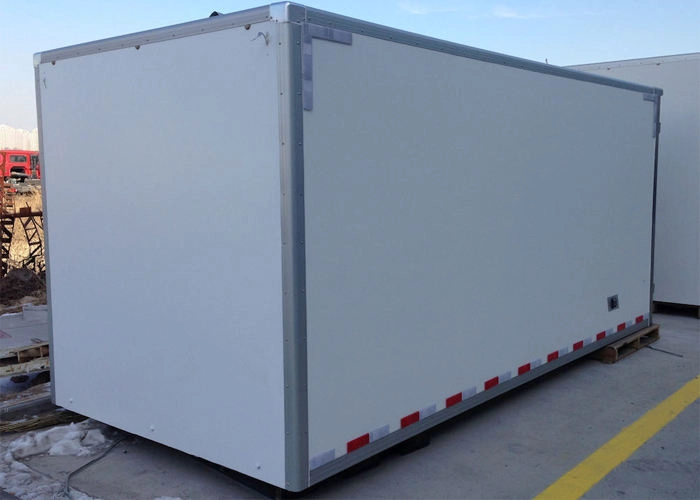
Key Features
| Feature | Benefit |
|---|---|
| High-Gloss Gel Coat Surface | Easy to clean, resists dirt buildup, maintains professional appearance |
| Low Thermal Conductivity (≤0.25 W/m·K) | Minimizes cold loss, reduces refrigeration unit runtime and fuel costs |
| Excellent Impact Resistance (≥150 kJ/m²) | Withstands forklift bumps, cargo shifting, and road vibration without delamination |
| Corrosion & Moisture Proof | Zero rust — ideal for wet, humid, and salt-spray environments |
| UV-Stabilized Formulation | No yellowing or surface degradation after extended sun exposure |
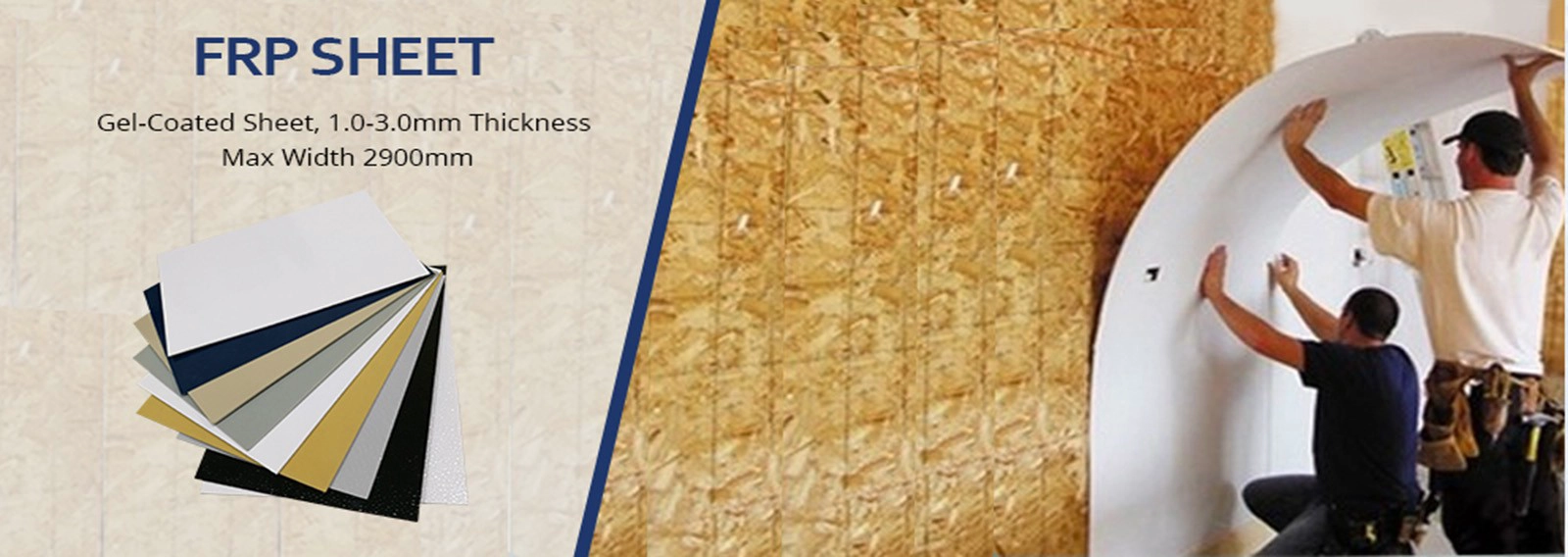
| Custom Thickness & Color | Available in 1.5mm, 2.0mm, 2.5mm, 3.0mm; RAL color matching supported |
| Food-Grade Available | Compliant with FDA 21 CFR and EU 10/2011 for direct food contact applications |
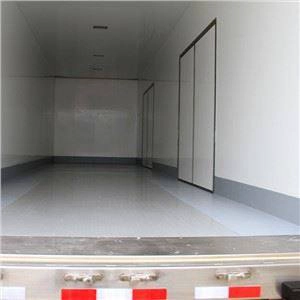 Technical Specifications
| Parameter | Standard Value | Test Method |
|---|---|---|
| Thickness Range | 1.5 – 3.0 mm | — |
| Width | Up to 3,200 mm | — |
| Glass Content | 25% – 35% | ISO 1172 |
| Tensile Strength | ≥100 MPa | ISO 527 |
| Flexural Strength | ≥180 MPa | ISO 178 |
| Impact Strength (Charpy) | ≥150 kJ/m² | ISO 179 |
| Thermal Conductivity | ≤0.25 W/m·K | ASTM C518 |
| Water Absorption (24h) | ≤0.3% | ISO 62 |
| Barcol Hardness | ≥45 | ASTM D2583 |
| Flame Retardancy | ASTM E84 Class A (optional) | ASTM E84 |
| Service Temperature Range | -40°C to +80°C | — |
| Surface Finish | Smooth gel coat / anti-slip textured | — |
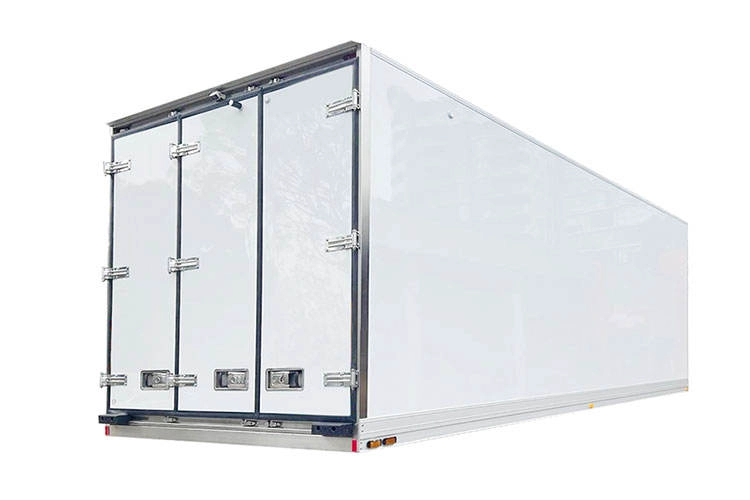 Frequently Asked Questions
Q1: What makes your FRP panels better than aluminum skins for refrigerated trucks?
Aluminum conducts heat ~800× faster than our FRP panels. With aluminum skins, thermal bridging occurs at every rivet and joint, forcing your reefer unit to work harder — that means higher fuel consumption. Our FRP panels have a thermal conductivity of ≤0.25 W/m·K versus aluminum's ~205 W/m·K. They also don't corrode, don't dent permanently, and can be bonded seamlessly (no rivet holes = no moisture ingress), which preserves the insulation core's integrity for years longer.
Q2: Can your FRP sheets be used with PU (polyurethane) foam sandwich panels?
Yes — this is one of our most common applications. Our FRP skins bond exceptionally well with PU foam (adhesion strength ≥0.5 MPa in peel tests). We recommend our mat-back finish on the bonding side for maximum mechanical lock with the foam. Many of our customers use the FRP/PU foam/FRP sandwich structure for reefer truck sidewalls, roofs, and floors.
Q3: What thickness should I choose for the sidewall vs. the floor?
- Sidewalls & Roof: 1.5–2.0 mm FRP skins are standard. These provide sufficient impact resistance while keeping panel weight low.
- Floors: 2.5–3.0 mm with anti-slip surface texturing is recommended. Floors take forklift traffic, heavy pallet drops, and concentrated point loads — the extra thickness distributes stress and prevents puncture through the insulation core.
We can produce custom thickness combinations — tell us your typical cargo weight and forklift type for a tailored recommendation.
Q4: Do you offer flame-retardant FRP for compliance with safety regulations?
Absolutely. We offer an ASTM E84 Class A (Flame Spread Index ≤25, Smoke Developed Index ≤450) formulation with aluminum trihydroxide (ATH) filler technology. This is widely used in EU and North American markets where reefer body flammability standards apply. Note that adding FR properties slightly increases sheet weight (~5–8%) and cost (~10–15%) compared to standard-grade sheets. We'll help you determine whether your target market actually requires it before you spend extra.
Q5: What's your MOQ and lead time? Can we get samples?
- MOQ: 500 m² per thickness/color for custom production; smaller trial orders negotiable for new partnerships.
- Lead Time: 10–15 working days for standard specifications; 18–22 days for custom colors or flame-retardant grades.
- Samples: Free A4-sized sample sheets shipped within 3 working days (courier cost at buyer's expense). We also provide full technical data sheets (TDS) and third-party test reports (SGS/Intertek) upon request.
Why Source from Fore?
- 15+ years manufacturing FRP and PP sheets — not a trading company
- 3 production lines, annual capacity 12,000+ tons
- Exporting to 40+ countries across Southeast Asia, Middle East, Africa, South America, and Europe
- In-house lab with tensile tester, impact tester, UV aging chamber, and thermal conductivity meter
- Free OEM service — cut-to-size, custom color, branded packaging, and private labeling supported