






Efficiency from the Root: Why Professional Seedling Trays are the Future of Cultivation
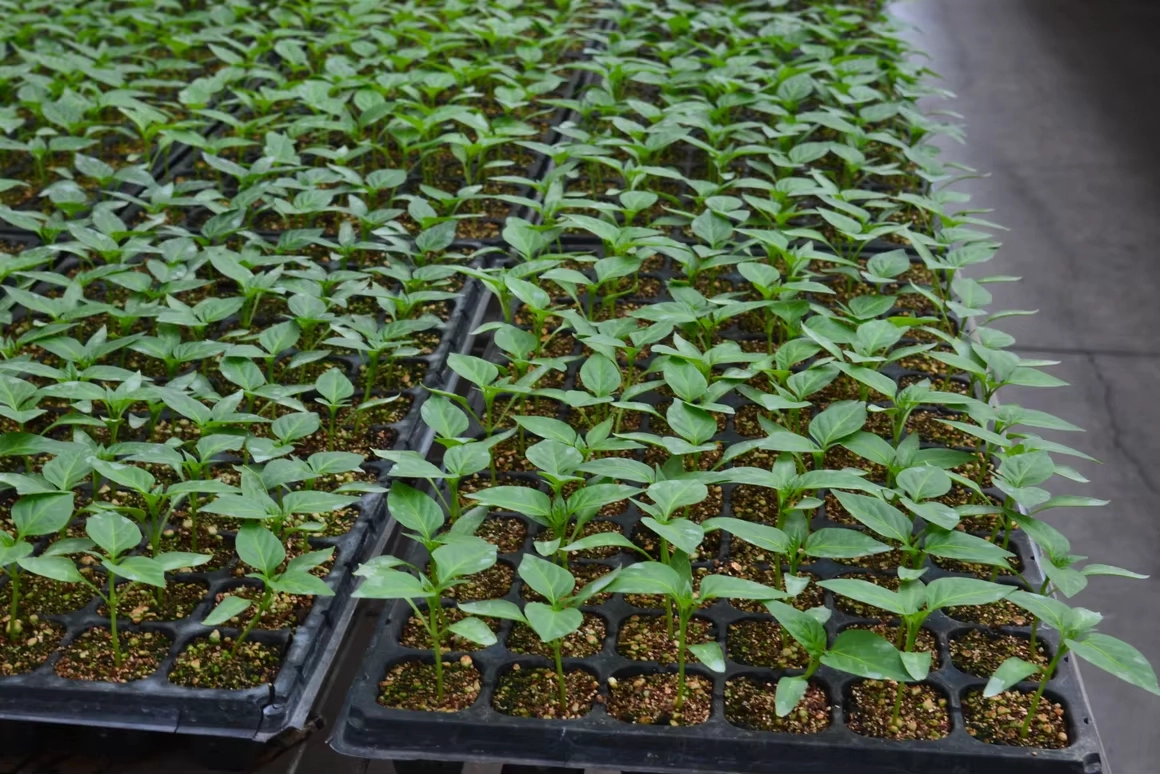
In the world of modern agriculture and horticulture, the journey from seed to harvest begins with a single, critical decision: the choice of a starter environment. Professional seedling trays, often referred to as plug trays, have revolutionized the way growers manage early-stage plant development. No longer just a container, these trays are precision tools designed to maximize germination rates and ensure crop uniformity.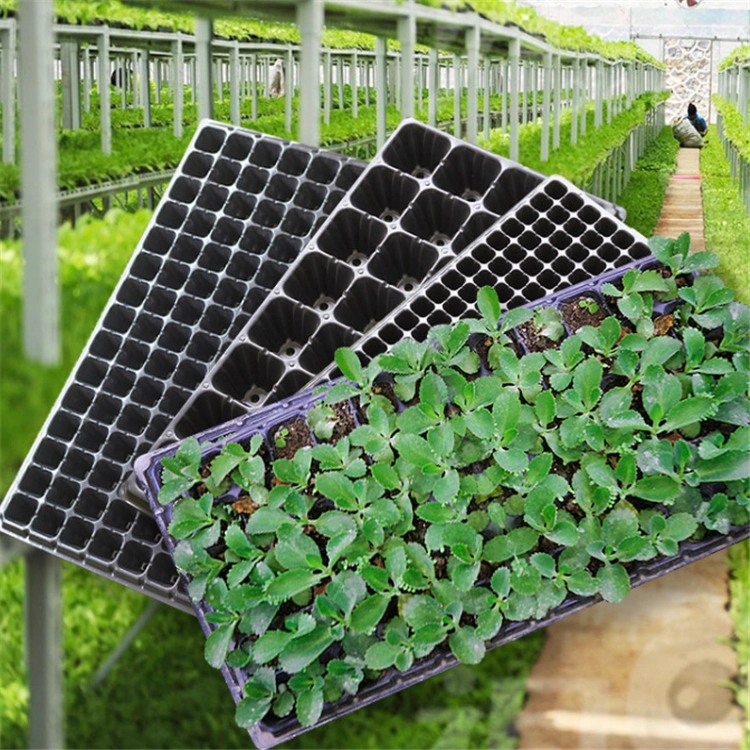
1. The Core Advantages of Seedling Trays
Traditional soil-bed sowing often leads to uneven growth and high labor costs. Seedling trays solve these challenges through:
- Optimized Root Development: Each cell acts as a controlled micro-environment, preventing root entanglement and encouraging "air-pruning" for a more robust root system.
- Water and Nutrient Efficiency: The specialized design allows for targeted irrigation and fertilization, reducing waste and ensuring every seed gets exactly what it needs.
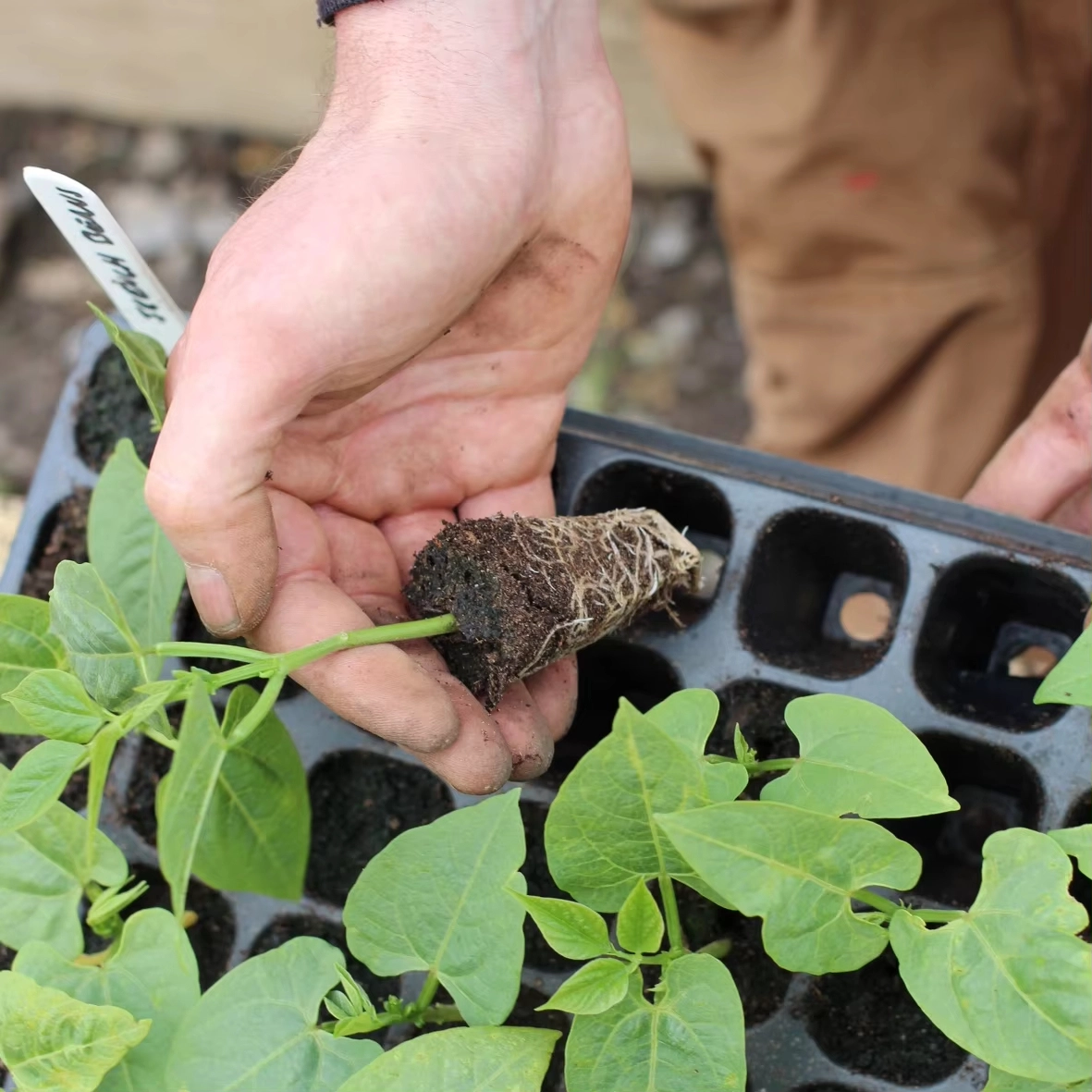
- Transplant Success: Trays allow for easy removal of the "plug," minimizing root shock during transplantation and significantly increasing survival rates in the field or greenhouse.
2. Material Matters: PS vs. PET vs. PVC
The performance of a seedling tray is heavily dictated by its material composition. For industrial-grade applications, durability and chemical stability are paramount:
- PS (Polystyrene): The industry standard for professional nurseries. It is lightweight, cost-effective, and provides the necessary rigidity for automated seeding machines.
- PET (Polyethylene Terephthalate): An eco-friendly alternative known for its high transparency (ideal for root monitoring) and excellent recyclability.
- PVC (Polyvinyl Chloride): Offers superior toughness and impact resistance, making it suitable for long-term reuse in demanding environments.
3. Engineering Growth: Design Elements
A high-performance tray is defined by its geometry. Key features to look for include:
- Cell Density: From 21-cell to 512-cell configurations, the density must match the crop’s specific growth cycle.
- Drainage Systems: Precision-punched bottom holes are essential to prevent waterlogging and root rot.
- Internal Ribs: Vertical grooves within the cells guide roots downward, preventing circular growth (root spiraling).
4. Conclusion
For modern commercial growers, investing in high-quality seedling trays is not an expense—it is a strategy for yield optimization. By providing a stable, scalable, and efficient starting point, these trays ensure that every seed has the potential to become a high-value crop.