








A Comparative Guide to Plastic Sheets: ABS, PP, HIPS, and PVC
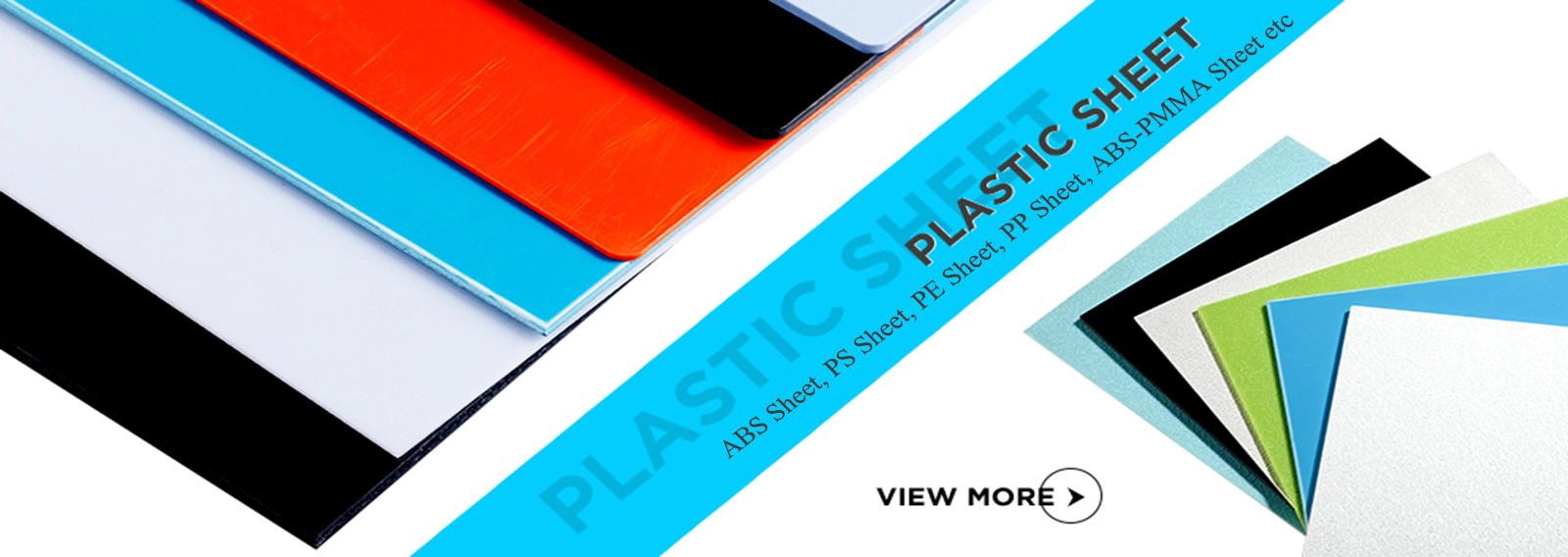
In the world of industrial manufacturing and material selection, choosing the right plastic sheet is critical for the success of a project. Four of the most commonly used thermoplastic sheets are ABS, PP, HIPS, and PVC. While they may look similar to the untrained eye, their physical properties, chemical resistance, and cost profiles vary significantly.
This article provides a comprehensive comparison to help you make an informed decision for your specific application.
1. ABS (Acrylonitrile Butadiene Styrene)
The "Tough All-Rounder"
ABS is a terpolymer known for its exceptional toughness and impact resistance. It is a preferred material for applications requiring structural strength and aesthetic versatility.
- Key Features:
- Impact Strength: Excellent resistance to physical impact, even at low temperatures.
- Finish: High-quality surface that can be easily painted, plated, or textured.
- Processability: Superior thermoforming and machining characteristics.
- Common Applications: Automotive interior parts, electronic housings, luggage, and protective equipment.
2. PP (Polypropylene)
The "Chemical-Resistant Lightweight"
PP is a semi-crystalline thermoplastic characterized by low density and high fatigue resistance. It is often the first choice for harsh chemical environments or food-related applications.
- Key Features:
- Chemical Resistance: Outstanding resistance to acids, alkalis, and organic solvents.
- Heat Resistance: Higher melting point than ABS or HIPS, making it suitable for hot-filling or steam sterilization.
- Living Hinge: Exceptional fatigue resistance allows for "living hinges" that can bend thousands of times without breaking.
- Common Applications: Chemical tanks, food packaging, laboratory equipment, and automotive battery cases.
3. HIPS (High Impact Polystyrene)
The "Versatile & Economical Choice"
HIPS is produced by adding rubber (polybutadiene) to crystal polystyrene. It is a cost-effective, versatile material particularly popular in the signage and display industries.
- Key Features:
- Printability: Excellent surface for offset, screen, and digital printing.
- Stability: Good dimensional stability and low moisture absorption.
- Cost-Efficiency: One of the most affordable options among impact-resistant plastics.
- Common Applications: Point-of-purchase (POP) displays, indoor signage, food trays, and refrigerator liners.
4. PVC (Polyvinyl Chloride)
The "Durable & Flame Retardant"
PVC is one of the most widely used plastics in the world. As a sheet material, it is valued for its inherent fire-retardant properties and long-term durability.
- Key Features:
- Flame Retardancy: Self-extinguishing properties (often rated UL 94 V-0).
- Rigidity: High stiffness and structural integrity.
- Weatherability: Good resistance to UV and weathering, especially in specialized formulations.
- Common Applications: Building panels, electrical enclosures, chemical ducting, and outdoor signage.
Comparative Performance Table
| Property | ABS | PP | HIPS | PVC |
|---|---|---|---|---|
| Impact Strength | Excellent | Good | Moderate | Good |
| Heat Resistance | Moderate | High | Low | Moderate |
| Chemical Resistance | Moderate | Excellent | Low | Excellent |
| Weight (Density) | Moderate | Very Low | Low | High |
| Flame Retardancy | Low (Needs additives) | Low | Low | High (Inherent) |
| Cost | Mid-Range | Low-Mid | Low | Mid-Range |
Conclusion: Which One Should You Choose?
- Choose ABS if your product needs to withstand rough handling and requires a premium aesthetic finish.
- Choose PP if your application involves contact with chemicals, high temperatures, or needs to be exceptionally lightweight.
- Choose HIPS for short-term indoor displays, food trays, or any project where budget is the primary constraint.
- Choose PVC for construction, electrical housing, or any environment where fire safety and long-term durability are paramount.
Understanding these differences ensures that you select a material that not only meets your technical requirements but also optimizes your manufacturing costs.